What Is Root Filling? A Complete Guide to the Procedure, Benefits, Pain, and Recovery
Everything You Need to Know About Root Canal Filling, Tooth Infection Treatment, and Protecting Your Natural Teeth

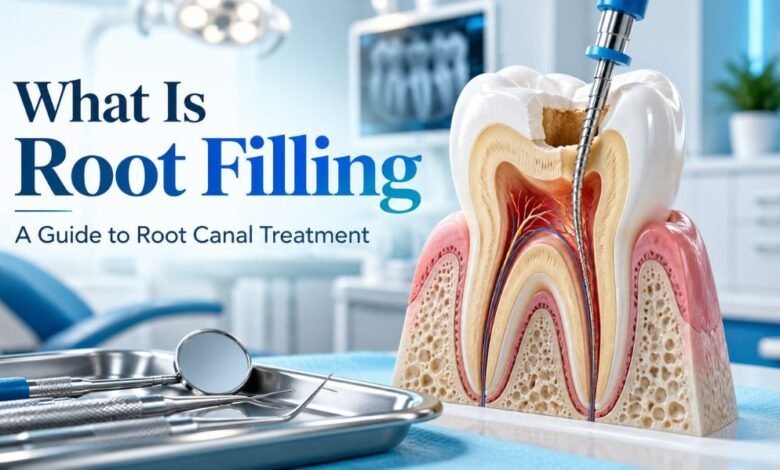
Tooth pain can make everyday activities such as eating, drinking, and sleeping uncomfortable. When the pain comes from infection or inflammation deep inside a tooth, a dentist may recommend root filling, commonly known as root canal treatment. This procedure is designed to remove infected tissue, relieve discomfort, and preserve a natural tooth that might otherwise require extraction.
Understanding what root filling is can help patients feel more confident about their dental treatment. Modern dental techniques make the procedure more comfortable and predictable than many people expect.
This article explains how root filling works, why dentists recommend it, what happens during treatment, and how to care for your tooth afterward.
What Is Root Filling?
Root filling is a dental treatment in which dentists fill and seal a tooth’s cleaned root canals after removing damaged or infected pulp. It forms an essential part of root canal treatment, also called endodontic treatment.
Inside every natural tooth is soft tissue called dental pulp. It contains nerves, blood vessels, and connective tissue. When bacteria reach this tissue through deep decay, cracks, or injuries, inflammation or infection can develop.
During treatment, the dentist removes the affected pulp, disinfects the canals, and fills them with a suitable dental material. The tooth is then restored with a permanent filling or crown.
The primary objective is to save the natural tooth while preventing further infection.
Why Is Root Filling Necessary?
Root filling becomes necessary when the pulp inside a tooth is irreversibly damaged, inflamed, or infected.
Several dental problems can lead to this condition.
Deep Tooth Decay
Untreated cavities can gradually extend through the enamel and dentine until bacteria reach the pulp. At this stage, a standard dental filling may no longer be enough.
Cracked or Broken Teeth
A fracture can expose the inner tooth structure to bacteria. Even a hard-to-see crack may eventually damage the pulp.
Repeated Dental Procedures
Multiple treatments on the same tooth can sometimes irritate or damage its internal tissues.
Dental Infection or Abscess
Infected pulp can cause an abscess near the tooth root. Root canal treatment may eliminate the infection source and allow surrounding tissues to heal.
Signs You May Need Root Filling
Not every toothache requires root canal treatment. However, certain symptoms suggest you need an examination.
Common warning signs include:
- Persistent toothache, particularly when chewing or biting.
- Prolonged sensitivity to hot or cold drinks.
- Swelling or tenderness around the affected gum.
- A tooth becoming darker than surrounding teeth.
- A small, recurring pimple-like swelling on the gum.
- Pain that interferes with sleeping or eating.
Some infected teeth produce little or no discomfort. Therefore, dentists use clinical examinations and dental X-rays to determine whether root canal treatment is appropriate.
How Is Root Filling Done?
The root filling procedure involves several carefully controlled stages. Treatment may require one or more appointments, depending on the tooth’s condition and the complexity of its roots.
Step 1: Dental Examination and X-Rays
The dentist first examines the affected tooth and may take X-rays to assess its roots and surrounding bone.
These findings help establish whether the tooth can be saved and guide treatment planning.
Step 2: Local Anesthesia
A local anesthetic is administered to numb the treatment area. Patients usually remain awake but should not experience sharp pain during the procedure.
Step 3: Removing the Infected Pulp
The dentist creates a small opening in the tooth and uses specialized instruments to remove damaged pulp tissue.
The dentist typically places a protective dental dam around the tooth to keep the treatment area isolated from saliva.
Step 4: Cleaning and Shaping the Canals
The root canals are carefully cleaned, disinfected, and shaped. This process helps remove bacteria and prepares the internal spaces for filling.
Step 5: Filling and Sealing the Roots
The dentist fills the prepared canals, usually with gutta-percha, a rubber-like dental material, together with a sealing cement.
This seals the cleaned root canal system and reduces the risk of reinfection.
Why Might a Crown Be Needed?
A tooth that has undergone root canal treatment may have lost considerable natural structure.
A dental crown protects and strengthens the remaining tooth, especially in back teeth exposed to heavy chewing forces. Other teeth may be restored successfully with a permanent filling.
Is Root Filling Painful?
Many patients worry about experiencing pain during root canal treatment. Fortunately, modern local anesthesia usually makes the procedure manageable.
Patients may feel pressure or movement, but they should report significant pain to the dentist immediately.
After treatment, mild tenderness or sensitivity around the tooth is common for several days. This usually improves as the surrounding tissues recover.
Severe, worsening, or persistent pain is not something patients should ignore. A dental professional should assess these symptoms.
Root Filling Recovery and Aftercare
Proper care following treatment supports healing and protects the restored tooth.
Important Aftercare Tips
- Avoid chewing until the local anesthetic has completely worn off.
- Choose softer foods if the treated area feels tender.
- Avoid biting hard objects with a temporarily restored tooth.
- Brush twice daily using fluoride toothpaste.
- Clean between teeth regularly.
- Attend appointments for permanent restoration and follow-up examinations.
Dentists may recommend appropriate pain relief when necessary. Follow your dentist’s instructions and confirm that any medication is suitable for you.
When Should You Contact a Dentist?
Contact your dentist if swelling develops, severe pain continues, a temporary filling falls out, or symptoms return.
Facial swelling accompanied by difficulty breathing or swallowing requires emergency medical attention.
Root Filling vs Normal Tooth Filling
Although the names sound similar, root filling and ordinary tooth filling are different procedures.
An ordinary filling repairs damage or a cavity in the tooth’s visible structure without removing the pulp.
Root filling is performed inside the root canal system after the dentist removes the pulp. It treats problems affecting the internal tissues rather than simply repairing surface decay.
Both procedures help preserve teeth, but they address different levels of dental damage.
How Long Does Root Filling Last?
A properly treated and restored tooth can remain functional for many years, sometimes for a lifetime.
However, longevity depends on several factors, including the tooth’s condition, the quality of the restoration, oral hygiene, and regular dental care.
A previously treated tooth can occasionally develop another infection or fracture. Early assessment of new symptoms improves the chances of preserving it.
How Much Does Root Filling Cost?
The cost of root canal treatment varies according to the tooth involved, treatment complexity, location, and dental provider.
Molars generally require more extensive treatment because they often have several roots and canals.
Patients should request a treatment estimate that explains whether the final restoration or crown is included.
Frequently Asked Questions About Root Filling
1. Is root filling the same as root canal treatment?
Root filling is a key stage of root canal treatment. The complete procedure includes removing damaged pulp, cleaning the canals, filling them, and restoring the tooth.
2. How long does a root filling procedure take?
The procedure may involve one or more appointments. Individual visits often last about 1 to 2 hours, depending on treatment complexity.
3. Can I eat normally after root filling?
You can gradually return to your usual diet once the numbness disappears. Avoid chewing hard foods on the treated tooth until your dentist confirms that it is appropriately restored.
4. Can a root-filled tooth become infected again?
Yes. Although treatment aims to eliminate infection, reinfection is possible if bacteria enter through new decay, cracks, or a damaged restoration. Additional treatment may be necessary.
5. Is extracting a tooth better than root filling?
When a tooth can be predictably restored, preserving it is generally preferable. Extraction may be necessary if the tooth is severely fractured, lacks adequate support, or cannot be successfully treated.
Conclusion
Understanding what a root filling is makes it easier to recognize the importance of treating infection inside a tooth. Root canal treatment removes damaged pulp, cleans the internal canals, and seals them to help preserve natural teeth.
With modern anesthesia, proper restoration, and good oral hygiene, many treated teeth continue to function comfortably for years.
If you experience persistent toothache, swelling, or prolonged sensitivity, the safest way to identify the cause and determine the right treatment is to arrange a professional dental examination.