Cornea And Eye Health: Essential Facts About Vision, Protection, and Common Eye Problems
Discover how the cornea works, why it is essential for clear eyesight, and how proper care can protect your eyes from damage and disease.

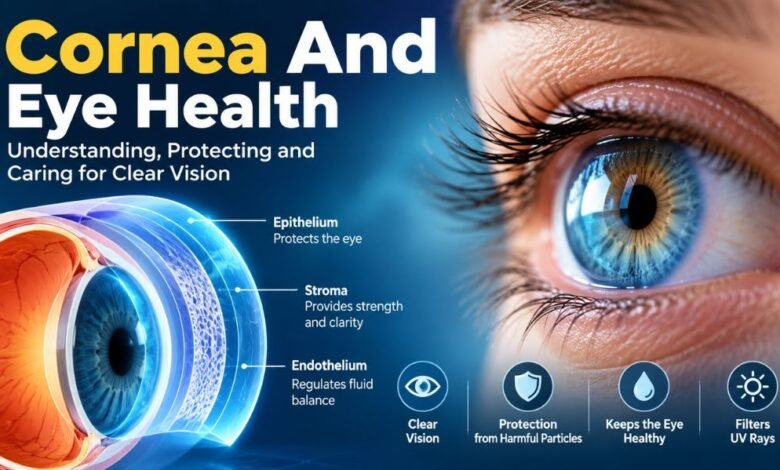
The cornea is one of the most important structures in the human eye, playing a central role in clear vision and protection. This transparent, dome-shaped layer covers the front of the eye, lets light in, and protects delicate internal structures from dust, germs, and injury. Although it may appear simple, the cornea has a highly organized structure that supports the eye’s ability to focus.
Understanding the relationship between the cornea and eye health is essential because even minor damage to this transparent tissue can cause discomfort, blurred vision, or more serious complications.
This article explains the cornea’s structure, functions, common disorders, warning signs, treatments, and practical ways to maintain healthy vision.
What Is the Cornea?
The cornea is the clear outer covering at the front of the eye. It sits over the iris and pupil and works with the lens to focus incoming light onto the retina.
Unlike many other body tissues, the cornea contains no blood vessels. This characteristic helps maintain its transparency, which is essential for clear eyesight. It receives oxygen and nutrients through the tear film and fluid inside the eye.
A healthy cornea has a smooth, curved surface that allows light to pass through efficiently. Changes in its shape, thickness, or transparency can affect how clearly a person sees.
Cornea And Its Role in Human Vision
The cornea performs several essential functions that support comfortable, accurate vision.
How the Cornea Focuses Light
When light enters the eye, it first passes through the tear film and cornea. The cornea bends, or refracts, incoming light, beginning to focus it toward the retina.
The lens provides additional focusing adjustments, especially when you view objects at different distances.
If the cornea becomes irregularly shaped, light may not focus correctly. This can contribute to astigmatism, blurred vision, and distorted images.
How the Cornea Protects the Eye
The cornea provides a physical barrier against environmental particles, microorganisms, and accidental contact.
It also contains numerous sensitive nerve endings that trigger protective responses, including blinking and increased tear production.
These natural reactions help protect the eye from potentially harmful substances.
Why Corneal Transparency Matters
Transparency lets light pass through the cornea with minimal scattering.
Swelling, scarring, infection, or structural abnormalities can reduce transparency and disrupt normal vision.
Maintaining a healthy corneal surface is therefore essential for optical clarity.
Understanding the Structure of the Cornea
The cornea consists of specialized layers that work together to provide strength, protection, and transparency.
Epithelium
The epithelium is the outermost cellular layer. It helps block microorganisms and supports a smooth surface for the tear film.
Minor epithelial injuries often heal relatively quickly when appropriate care is provided.
Stroma
The stroma forms most of the cornea’s thickness. It contains precisely organized collagen fibers that contribute to corneal strength and transparency.
Damage to this layer can lead to scarring and lasting visual changes.
Endothelium
The endothelium is the cornea’s innermost cellular layer. It regulates fluid movement to keep the tissue clear.
Endothelial cells have limited regenerative ability so that significant cell loss can result in corneal swelling.
Why These Layers Work Together
Each layer serves a different purpose, but healthy vision depends on their combined function. Damage to one layer can affect the cornea’s overall performance.
Common Corneal Diseases and Conditions
Several conditions can affect the cornea, from temporary surface irritation to serious disorders that require specialist treatment.
Corneal Abrasion
A corneal abrasion occurs when the corneal surface becomes scratched.
Common causes include fingernails, dust particles, contact lenses, and accidental injuries.
Symptoms may include pain, excessive tearing, redness, and light sensitivity.
Keratitis
Keratitis is inflammation of the cornea. It may develop because of infection, injury, or other inflammatory conditions.
Bacterial, viral, fungal, and certain parasitic infections can cause infectious keratitis.
Contact lens users require particular caution because poor lens hygiene increases infection risk.
Keratoconus
Keratoconus occurs when the cornea gradually becomes thinner and develops an irregular, cone-like shape.
This structural change can distort vision, increase astigmatism, and make it hard to see clearly with ordinary glasses.
Corneal Dystrophies
Corneal dystrophies are disorders that affect specific layers of the cornea.
For example, Fuchs endothelial dystrophy affects the endothelial cells that control corneal hydration.
As the condition progresses, swelling may cause cloudy vision.
Dry Eye Disease
Dry eye disease can disrupt the tear film that protects and lubricates the cornea.
Symptoms may include burning, fluctuating vision, irritation, and a gritty sensation.
Severe cases can damage the corneal surface.
Symptoms of Corneal Problems
Corneal disorders may produce several noticeable symptoms, including:
- Blurred or cloudy vision
- Eye redness and discomfort
- Excessive tearing
- Sensitivity to bright light
- A foreign-body sensation
- Difficulty wearing contact lenses
- Eye pain or unusual discharge
Sudden vision loss, substantial eye pain, or a painful red eye with light sensitivity requires urgent medical assessment.
Contact lens wearers experiencing pain and redness should remove their lenses and seek prompt professional advice.
How Doctors Diagnose Corneal Conditions
Eye specialists use several examination techniques to assess the cornea’s health and structure.
Slit-Lamp Examination
A slit-lamp microscope lets an ophthalmologist examine the cornea under magnification and identify inflammation, scratches, or other abnormalities.
Corneal Topography
Corneal topography creates a detailed map of the corneal surface. It is particularly useful when investigating keratoconus or irregular astigmatism.
Fluorescein Staining
Fluorescein dye helps highlight damage to the corneal surface.
Doctors may use this examination to identify abrasions, ulcers, and other epithelial defects.
Corneal Thickness Measurement
Pachymetry measures corneal thickness and can support evaluation of certain corneal diseases and suitability for surgery.
Treatment Options for Corneal Disorders
Treatment depends on the underlying condition, severity, and potential effects on vision.
Medications and Eye Drops
Lubricating drops may relieve dry eye symptoms, while specific infections require appropriate antimicrobial medication.
Bacterial infections may need antibiotics, whereas viral or fungal infections require different treatments.
Medicated eye drops should be used according to professional guidance.
Corneal Cross-Linking
Corneal collagen cross-linking can strengthen corneal tissue and slow or stop progression in suitable patients with keratoconus.
The procedure typically involves riboflavin and controlled ultraviolet light.
Corneal Transplant Surgery
A corneal transplant may be considered when serious scarring, swelling, or structural damage cannot be adequately treated through less invasive approaches.
Depending on the condition, surgery may replace the full corneal thickness or only affected layers.
How to Keep Your Cornea Healthy
Good daily habits can reduce preventable corneal injuries and infections.
- Wash your hands before touching your eyes or handling contact lenses.
- Follow recommended contact lens cleaning and replacement schedules.
- Avoid sleeping in contact lenses unless your eye-care professional specifically approves it.
- Keep contact lenses away from tap water, showers, and swimming pools.
- Wear protective eyewear during hazardous activities.
- Use sunglasses that provide suitable ultraviolet protection.
- Avoid rubbing your eyes excessively.
- Attend routine eye examinations when recommended.
If chemicals enter the eye, rinse thoroughly with clean running water for at least 20 minutes, then seek emergency medical assistance.
Frequently Asked Questions
1. What Is the Main Function of the Cornea?
The cornea helps focus incoming light onto the retina while protecting it from dust, microorganisms, and physical injuries.
2. Can a Damaged Cornea Heal Naturally?
Minor surface scratches often heal naturally. However, more serious damage, infections, and scarring may require medical treatment and can sometimes cause permanent vision loss.
3. What Causes Corneal Problems?
Common causes include injuries, infections, dry eye disease, contact lens complications, inherited disorders, and structural abnormalities.
4. Can Corneal Disease Cause Blindness?
Severe, untreated corneal diseases can cause significant vision loss or blindness. Early diagnosis and appropriate treatment can reduce the risk of serious complications.
5. How Can I Protect My Cornea?
Maintain good eye hygiene, follow safe contact lens practices, use protective eyewear, avoid unnecessary eye rubbing, and seek professional care when unusual symptoms develop.
Conclusion
Understanding the cornea’s role in healthy vision helps explain why this transparent tissue deserves careful protection. Its essential functions include focusing light, supporting visual clarity, and protecting the eye against environmental hazards.
Although many corneal problems are manageable, infections, injuries, and progressive disorders can seriously affect eyesight without timely care. Practicing proper eye hygiene, following professional advice, and recognizing warning signs can help preserve corneal health and maintain comfortable vision over time.