Tunnel of Vision: Understanding Its Meaning, Causes, Symptoms, and Treatment
Learn how tunnel vision affects your eyesight, why peripheral vision loss happens, and what you can do to protect your eye health.

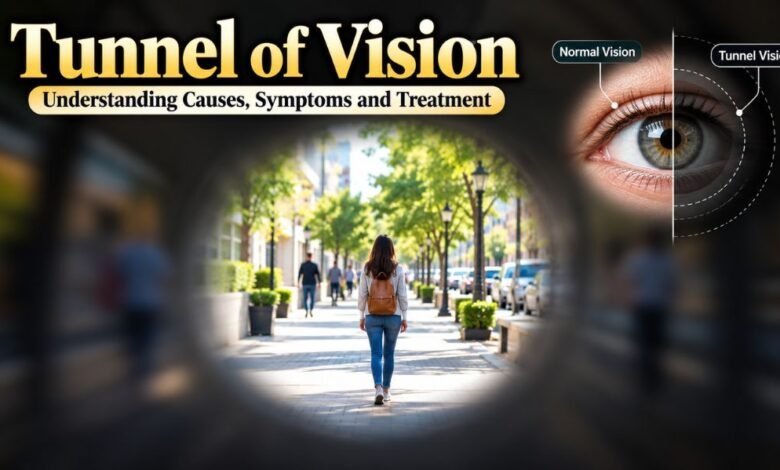
Tunnel of Vision describes a condition in which a person’s field of sight becomes restricted, making it difficult to see objects outside their direct line of vision. Commonly known as tunnel vision, this experience can make the surrounding environment appear narrower, almost as though someone is looking through a long, narrow tube.
While some people experience temporary changes in vision due to migraines, faintness, or other conditions, others develop lasting peripheral vision loss associated with eye diseases. Understanding the difference matters because some causes require immediate medical attention.
Tunnel vision can also describe a psychological experience in which someone becomes so focused on a particular situation that they overlook surrounding information.
This article explains the meaning of Tunnel of Vision, its medical causes, common symptoms, diagnosis, treatments, and practical methods for maintaining healthy eyesight.
What Is Tunnel of Vision?
Tunnel of Vision refers to a narrowing of the visual field, usually involving the loss or reduction of peripheral vision. Peripheral vision allows people to notice objects, movements, and activities outside their central line of sight without turning their heads.
When peripheral vision becomes restricted, individuals may still see objects directly ahead but struggle to notice things approaching from the sides.
Understanding Peripheral Vision
Human eyesight consists of two important components:
- Central vision: Helps identify faces, read text, and observe fine details.
- Peripheral vision: Detects movement and objects outside the central viewing area.
Together, these components provide awareness of the surrounding environment.
How Tunnel Vision Affects Sight
Someone experiencing tunnel vision may struggle to navigate crowded spaces, cross roads safely, or notice obstacles while walking.
The severity varies depending on the underlying medical condition. Some people experience temporary narrowing, while others develop progressive loss of the visual field.
Common Causes of Tunnel of Vision
Several medical conditions can restrict peripheral vision. Identifying the underlying cause is necessary for appropriate treatment.
Glaucoma
Glaucoma is a group of eye conditions that damage the optic nerve, which carries visual information from the eye to the brain.
Some forms develop gradually without noticeable early symptoms. As the disease progresses, peripheral vision may deteriorate.
Why Early Detection Matters
Vision already lost through glaucoma generally cannot be restored. However, timely treatment can help slow or prevent additional damage.
Retinitis Pigmentosa
Retinitis pigmentosa describes a group of inherited retinal disorders that progressively affect vision.
People may initially have difficulty seeing in low light before developing reduced peripheral vision.
Retinal Detachment
Retinal detachment occurs when the retina separates from its normal supporting tissue.
Warning signs may include sudden flashes, new floaters, or a shadow moving across the visual field. This condition requires urgent medical attention.
Migraines and Temporary Visual Disturbances
Some migraines produce temporary visual symptoms, including shimmering lights, blind spots, or changes in the visual field.
However, sudden visual narrowing should not automatically be attributed to a migraine, particularly when it is a new symptom.
Reduced Blood Flow and Neurological Conditions
Problems affecting blood circulation, the optic nerve, or the brain can sometimes cause visual field changes.
Stroke and certain vascular conditions can lead to sudden vision loss. Feeling faint can also cause temporary dimming or narrowing of vision.
Symptoms of Tunnel Vision
Symptoms depend on how much peripheral vision is affected and whether the change develops suddenly or gradually.
Common signs include:
- Difficulty seeing objects from the sides.
- Frequently bumping into furniture or obstacles.
- Reduced awareness of nearby movement.
- Trouble navigating unfamiliar environments.
- Difficulty seeing in dim lighting.
- A narrowing sensation in the visible surroundings.
Gradual Versus Sudden Symptoms
Gradual changes may remain unnoticed because individuals unconsciously adjust their movements to compensate.
Sudden loss of peripheral vision is more concerning and may indicate a medical emergency.
Seek emergency medical care for sudden vision loss, especially if it’s accompanied by weakness, facial drooping, difficulty speaking, or a severe headache.
How Is Tunnel of Vision Diagnosed?
An eye specialist evaluates visual symptoms, medical history, and eye health before recommending treatment.
Visual Field Testing
A visual field test measures how much someone can see while looking straight ahead.
It helps identify blind spots and can monitor changes over time.
Comprehensive Eye Examination
Doctors may examine the retina, optic nerve, and internal eye structures to identify possible damage.
Additional testing can include measuring eye pressure and using optical coherence tomography to examine retinal and optic nerve structures.
Why an Accurate Diagnosis Is Important
Tunnel vision is a symptom, not a single disease. Therefore, treatment must address the underlying cause of the visual change.
Treatment Options for Tunnel Vision
Treatment depends on the diagnosis, severity, and whether the visual loss is temporary or permanent.
Medication and Eye Drops
For glaucoma, prescription eye drops and other treatments may lower eye pressure and reduce the risk of further optic nerve damage.
Laser Treatment and Surgery
Certain eye diseases require laser procedures or surgery.
For example, retinal detachment may require urgent surgical treatment, while some glaucoma cases benefit from laser therapy or an operation.
Vision Rehabilitation
People with permanent peripheral vision loss may benefit from rehabilitation services.
Specialists can teach scanning techniques, recommend visual aids, and suggest adjustments that make everyday activities safer.
Can Tunnel Vision Be Reversed?
Recovery depends entirely on the cause. Some temporary visual disturbances resolve, while damage caused by advanced glaucoma or inherited retinal disease may be permanent.
How to Protect Your Peripheral Vision
Although not every cause is preventable, practical habits can support long-term eye health.
Schedule Regular Eye Examinations
Routine eye exams can detect problems before noticeable symptoms appear.
People with diabetes, a family history of glaucoma, or other eye-related risk factors may require more frequent monitoring.
Manage Existing Health Conditions
Controlling diabetes, blood pressure, and other relevant medical conditions can help reduce the risk of certain eye and vascular complications.
Respond Quickly to Warning Signs
Never ignore sudden changes in eyesight.
A dark curtain, abrupt loss of side vision, or severe eye pain requires urgent assessment.
Tunnel of Vision in Psychology and Everyday Life
The expression also has a metaphorical meaning.
In psychology and everyday conversation, tunnel vision can describe excessively narrow attention, where someone concentrates on one concern while overlooking alternatives.
For example, someone working under intense pressure might focus entirely on solving one problem and miss other important responsibilities.
This psychological use is different from physical peripheral vision loss.
Recognizing the distinction prevents confusion between an attention-related experience and a potential medical condition.
Conclusion
Tunnel of Vision can refer to a genuine restriction of peripheral eyesight or a metaphorical narrowing of attention. In medical situations, it may result from glaucoma, retinal disorders, neurological conditions, or temporary visual disturbances.
Understanding the symptoms and seeking appropriate medical evaluation are essential steps toward protecting eyesight. Regular eye examinations, prompt responses to unusual symptoms, and effective management of underlying conditions can make a meaningful difference to long-term visual health.
(FAQs)
1. What does Tunnel of Vision mean?
Tunnel of Vision usually describes restricted peripheral eyesight, where objects directly ahead remain visible while the surrounding visual field becomes narrower.
2. Is tunnel vision a serious medical condition?
It can be. Some causes are temporary, while others indicate glaucoma, retinal disease, or neurological problems requiring medical treatment.
3. Can stress or anxiety cause tunnel vision?
Intense anxiety or stress may sometimes accompany temporary visual disturbances. However, new or unexplained vision changes should be medically evaluated rather than assumed to be anxiety.
4. Can tunnel vision be cured permanently?
There is no single cure. Treatment depends on the underlying cause, and some types of permanent visual field damage cannot be reversed.
5. What should someone do when experiencing sudden tunnel vision?
Seek emergency medical assessment, especially if the change is sudden or accompanied by other neurological symptoms. Avoid driving until evaluated.