Whaleness: The Powerful Connection Between Ocean Health, Nature, and Human Wellbeing
Discover the meaning of Whaleness, how whales support marine ecosystems, and why their remarkable lives inspire environmental awareness, emotional balance, and a deeper connection with nature.

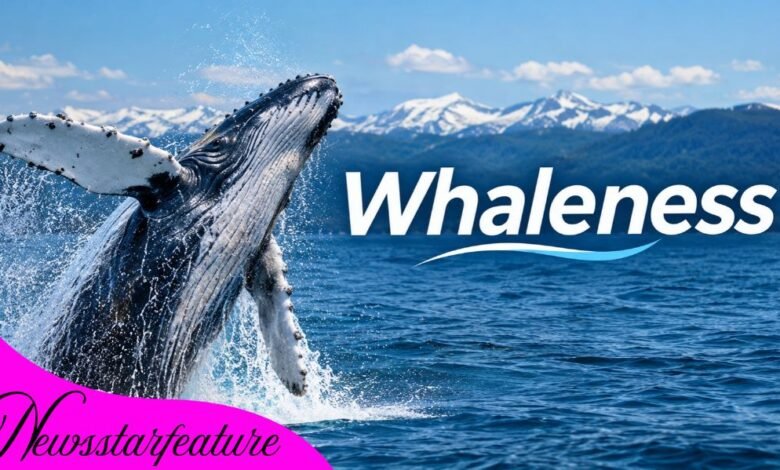
Whaleness is an emerging concept that connects the remarkable world of whales with ocean conservation, environmental responsibility, and human wellbeing. It encourages people to understand how marine ecosystems support life while exploring the inspiration that nature can offer for everyday living.
Whales are among the most extraordinary creatures on Earth. Beyond their impressive size and fascinating behavior, they perform important ecological functions that help keep oceans healthy.
The idea of Whaleness brings these environmental contributions into a broader conversation about sustainability, mindfulness, and the relationship between humans and nature.
Although Whaleness is not an established medical treatment or scientific discipline, it offers an interesting perspective on how protecting marine wildlife can benefit the natural world and encourage thoughtful lifestyle choices.
What Is Whaleness?
Whaleness is a term used to describe the wellbeing associated with whales and their contribution to the planet and people.
The organization we.are.tohorā, founded by Julia Graeter, promotes Whaleness as a movement inspired by whales, marine conservation, creativity, and environmental awareness.
Rather than focusing exclusively on physical health, this interpretation explores the relationship between ocean ecosystems, human experiences, and ecological responsibility.
The word also appears in other contexts, including educational wellness activities and discussions of whales’ characteristics. Therefore, its precise meaning depends on how it is being used.
The Core Meaning of Whaleness
At its heart, Whaleness encourages appreciation for the natural world and recognition of the connections between living organisms.
Its main themes include ocean conservation, environmental wellbeing, mindfulness, ecological balance, and respect for marine life.
These themes provide a framework for understanding why healthy oceans matter to both wildlife and human communities.
The Relationship Between Whaleness and Nature
Nature plays an important role in human experiences, offering opportunities for reflection, recreation, and learning.
Whaleness uses whales as a powerful symbol of the connection between people and the environment.
Understanding the Importance of Whales
Whales contribute to marine ecosystems through feeding, movement, nutrient circulation, and their interactions with other organisms.
Their activities influence marine food webs, demonstrating how even the largest animals depend on smaller species and environmental conditions.
Protecting whales therefore means considering the wider ecosystems that support them.
The Connection Between Whales and Ocean Balance
Whales move nutrients through the water as they feed, migrate, and release waste.
This process can support the growth of phytoplankton, microscopic organisms that form an essential foundation of marine food webs.
These ecological relationships help explain why whale conservation matters beyond protecting individual animals.
How Whaleness Relates to Human Wellbeing
The human wellbeing aspect of Whaleness focuses on developing a meaningful connection with nature.
Learning about whales, listening to recordings of their sounds, or observing marine environments can encourage curiosity and reflection.
However, these experiences should not be presented as guaranteed treatments for anxiety, depression, or other medical conditions.
Emotional Awareness and Mindfulness
Mindfulness involves paying attention to present experiences without unnecessary judgment.
Someone exploring Whaleness might practice mindful observation while watching ocean documentaries or spending quiet time near natural surroundings.
These activities can create opportunities to slow down and appreciate the environment.
Building a Connection With Nature
Whaleness also encourages people to recognize their relationship with the natural world.
Understanding how human decisions affect marine habitats can inspire responsible behavior.
This connection may develop through environmental education, wildlife observation, conservation projects, or everyday sustainable choices.
The Environmental Science Behind Whaleness
Although Whaleness itself is not a scientific theory, several environmental ideas associated with it have established research foundations.
Whales and Nutrient Cycling
Whales help distribute nutrients throughout marine environments.
Scientists sometimes describe nutrient movement through whale feeding and waste release as the whale pump.
These nutrients can support phytoplankton growth and contribute to ocean productivity.
Whales and Carbon Storage
Large whales store carbon within their bodies during their lives.
When some whales die and sink to the seabed, their remains can transport carbon into deeper ocean environments.
Scientists continue investigating the scale of these contributions and their implications for climate regulation.
Why Scientific Accuracy Matters
Whale conservation has genuine ecological benefits, but claims that whales alone can solve climate change would be misleading.
Protecting marine biodiversity works alongside broader environmental measures, including emissions reductions and habitat protection.
How to Explore Whaleness in Everyday Life
Whaleness does not require expensive activities or direct encounters with whales.
People can explore its themes through accessible practices that combine environmental learning with personal reflection.
Spend Meaningful Time in Nature
Regular visits to parks, beaches, or peaceful outdoor spaces can provide opportunities to appreciate natural surroundings.
Noticing wildlife, changing weather, and environmental sounds encourages closer observation.
Learn About Marine Conservation
Reading credible marine research and watching educational documentaries can improve understanding of ocean ecosystems.
Learning about whale migration, communication, and feeding behavior provides valuable insight into marine biodiversity.
Support Responsible Environmental Choices
Reducing unnecessary plastic waste, supporting legitimate conservation organizations, and respecting wildlife protection guidance are practical actions.
Responsible whale watching is another option, provided operators follow appropriate regulations and avoid disturbing animals.
Challenges Facing Whales and Marine Ecosystems
Despite their ecological importance, whales face several serious threats.
Climate change, fishing gear entanglement, ship collisions, underwater noise, and marine pollution can affect whale populations and habitats.
Changing ocean temperatures may also influence food availability and migration patterns.
Effective conservation requires scientific research, international cooperation, responsible maritime practices, and long-term environmental protection.
Whaleness can help introduce these issues to audiences who might otherwise have limited exposure to marine science.
Why Whaleness Matters Today
Whaleness offers a way to discuss environmental awareness alongside personal reflection.
Its appeal lies in connecting an extraordinary animal with questions about how humans interact with the planet.
The concept can encourage curiosity, introduce people to marine conservation, and promote appreciation for biodiversity.
However, understanding the distinction between inspirational philosophy and established scientific evidence remains essential.
Frequently Asked Questions About Whaleness
What does Whaleness mean?
Whaleness commonly refers to a concept connecting whales, ocean conservation, and human wellbeing. Its meaning can vary depending on the organization or context using the term.
Who introduced the Whaleness movement?
Julia Graeter, founder of we.are.tohorā, promotes Whaleness as a movement centered on whales, environmental awareness, and wellbeing. This does not establish her as the term’s original creator.
Is Whaleness the same as wellness?
No. Wellness broadly concerns health and wellbeing, while Whaleness is a more specialized term linked to whales, nature, and specific educational or environmental initiatives.
Can Whaleness improve mental health?
Nature-based activities may support relaxation and reflection, but Whaleness has not been clinically established as a mental health treatment.
Why are whales important to the environment?
Whales contribute to nutrient circulation, marine food webs, biodiversity, and carbon movement within ocean ecosystems.
Conclusion
Whaleness brings together environmental awareness, whale conservation, and the human desire for a meaningful connection with nature. It highlights whales’ ecological importance while encouraging curiosity, reflection, and responsible environmental behavior.
Although the concept should not be confused with medical science, its central message is valuable: understanding and protecting the natural world can help people make more informed choices.
By learning about marine ecosystems and supporting responsible conservation, individuals can contribute to healthier oceans and a more sustainable future.