Charging Station: The Ultimate Guide to Faster, Safer, and Smarter EV Charging
Understand how electric vehicle charging stations work, compare charging speeds, and choose a reliable solution for home or public use.

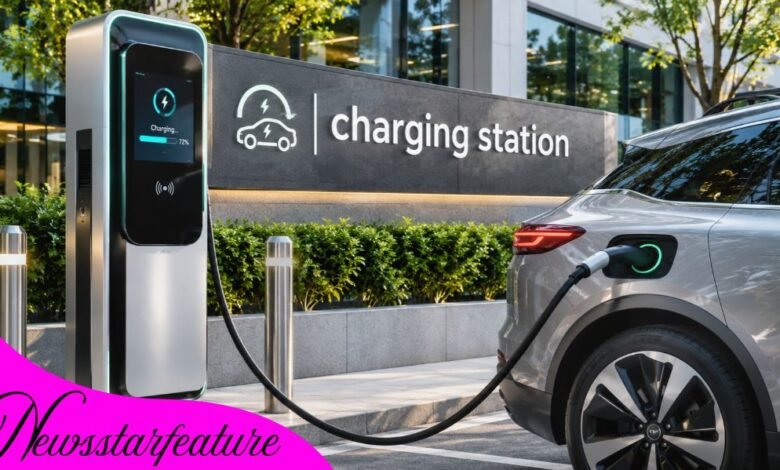
A charging station makes electric vehicle ownership more convenient, whether you commute daily or plan long trips. However, EV charging stations differ in speed, plug compatibility, pricing, and installation requirements.
This guide explains station types, operating principles, costs, and practical buying considerations.
What Is a Charging Station?
An electric vehicle charging station is equipment that supplies electrical energy to a plug-in vehicle. It manages the connection between the electricity supply and the car, helping energy flow safely to the battery.
Found at homes, workplaces, and public destinations, chargers range from slow overnight options to powerful rapid-charging units.
How Does an EV Charging Station Work?
Drivers connect a compatible cable and start a session. The car and equipment coordinate power delivery, while battery management systems regulate charging.
With AC charging, the vehicle’s onboard charger converts alternating current into direct current. DC fast charging does that conversion outside the vehicle, allowing higher charging power where the vehicle supports it.
Types of EV Charging Stations
Level 1 Charging
In North America, Level 1 charging usually uses a standard 120-volt household outlet. It requires relatively little additional equipment but adds range slowly. It suits drivers with short journeys or long parking periods.
Level 2 Charging
Level 2 stations use higher-power AC electricity and typically require a dedicated circuit. In the United States, residential systems commonly use 240 volts. They are popular at homes and workplaces because many vehicles recharge overnight.
DC Fast Charging
DC fast charging stations provide rapid charging along highways and in busy public locations. Their power output varies widely, and the vehicle ultimately determines how much it can accept. Charging slows near full capacity, so peak power is not constant.
Why Connector Compatibility Matters
Connector types vary by region and vehicle. Examples include CCS, NACS, CHAdeMO, and Type 2. Check compatibility and approved adapters before you buy or travel.
Home Charging Station Benefits
A home charging station offers a familiar place to recharge without visiting a public charger. Drivers can plug in after parking and recharge overnight.
Home charging may also cost less than frequent public fast charging, especially where electricity providers offer lower off-peak rates. Actual savings depend on local tariffs, the vehicle’s efficiency, and energy use.
Choosing the Right Home Charger
Consider daily mileage, available electrical capacity, parking arrangement, cable length, and weather exposure. A faster unit is not automatically better: the vehicle’s charging limits and the household electrical system may restrict usable power.
Choose certified equipment with a good warranty. Smart features can schedule charging and track electricity use.
Installation and Electrical Safety
Have a qualified electrician assess the electrical panel, wiring, circuit protection, and installation location. Follow local regulations and manufacturer instructions. Avoid improvised extension cords, damaged connectors, and overloaded outlets. Install and maintain charging equipment for its intended environment.
How to Find a Public Charging Station
Public chargers are available at shops, hotels, workplaces, and highway stops. Apps and navigation systems help locate them.
Before driving to a charger, check its connector type, power level, operating status, payment method, and access restrictions. A station shown on a map may be occupied, temporarily unavailable, or limited to customers of a specific property.
Tips for a Smoother Charging Stop
Plan before the battery runs low. On long trips, identify backup stations and account for weather. Move after charging when required.
Charging Station Costs Explained
Charging expenses have two main components: equipment and installation costs and the electricity you purchase during use. Home installation costs depend on electrical upgrades, cable routing, labor, and permits.
At public stations, pricing may be based on energy used, connection time, or session fees, depending on local rules and the provider. Review the displayed tariff before starting, including possible parking or idle charges.
What Affects Charging Time?
Battery capacity, current charge level, ambient temperature, vehicle charging limits, and station output all influence session length. A high-power charger cannot force a vehicle to accept more energy than it is designed to handle.
Environmental and Business Advantages
Charging infrastructure can support wider electric vehicle adoption and reduce reliance on gasoline or diesel. The environmental benefit depends partly on how the electricity is generated, but accessible charging is important for drivers who cannot charge at home.
For businesses, charging stations may improve customer convenience, support employee commuting, and help prepare properties for changing transport needs. Owners should evaluate demand, electrical capacity, and maintenance before investing.
Frequently Asked Questions
Can I Install a Charging Station at Home?
Yes, if your property and electrical system can support it. A qualified electrician can confirm whether a dedicated circuit or electrical upgrade is needed.
How Long Does It Take to Charge an Electric Car?
It depends on battery size, charger power, starting charge, and the vehicle’s charging capabilities. Home charging typically takes hours, while compatible DC fast chargers can add substantial range during a shorter stop.
Is Public Charging More Expensive Than Home Charging?
It often is, particularly with fast charging, but prices vary by location, provider, and electricity tariff. Compare the cost per unit of energy and any additional fees.
Can Every Electric Car Use Any Charging Station?
No. The connector, charging standard, power capability, and adapter permissions must match the vehicle.
Is It Safe to Charge an EV Overnight?
Generally, yes, when the equipment is properly installed, certified, maintained, and used according to the manufacturer’s instructions.
Conclusion
The best charging station fits your vehicle, driving routine, budget, and electrical setup. Level 1 charging meets some basic needs, Level 2 works well for many daily drivers, and DC fast charging provides valuable support on longer journeys. Understanding charging speeds, connector types, installation safety, and actual electricity costs helps you make a confident decision. Whether charging at home or on the road, reliability and compatibility matter more than headline power ratings.