PebbleGo: The Ultimate Guide to Interactive Learning and Research for Kids
Discover how PebbleGo helps elementary students build reading confidence, explore educational topics, and develop essential research skills through engaging digital resources.

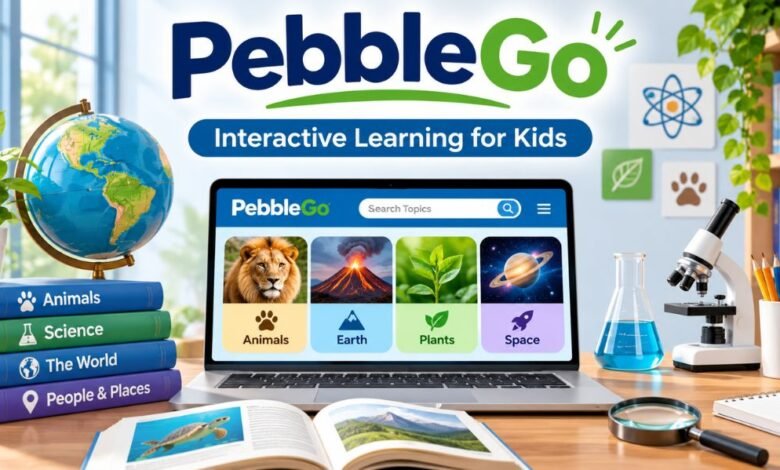
PebbleGo is an educational learning platform designed to help young students discover information, improve reading skills, and explore academic subjects independently. Developed by Capstone, this digital research resource combines age-appropriate articles, educational videos, photographs, and read-aloud features to make learning accessible and enjoyable.
Unlike traditional research websites, PebbleGo presents information in language that elementary students can understand. Its organized interface helps children navigate different subjects without becoming overwhelmed by complicated material.
Teachers and school librarians use PebbleGo to support classroom lessons, independent research, and early literacy development.
This article explores PebbleGo’s features, educational benefits, subject categories, login process, and practical uses for teachers, parents, and elementary school students.
What Is PebbleGo?
PebbleGo is a curriculum-connected digital learning and research platform that provides nonfiction educational content for young learners.
The original PebbleGo experience primarily supports kindergarten through second grade, while PebbleGo Next offers more advanced materials for students in grades three through five.
The platform is designed to make research approachable for children developing reading comprehension and information-gathering skills.
Students can explore subjects through short articles, supporting images, audio narration, and interactive learning resources.
Rather than relying entirely on general internet searches, children can use a structured educational environment containing content created for their developmental stage.
Key Features of PebbleGo
PebbleGo offers several tools that support independent learning and classroom instruction.
Interactive Educational Articles
The platform provides nonfiction articles covering important elementary school subjects.
Articles use clear explanations and accessible vocabulary, helping students understand unfamiliar concepts without excessive technical language.
This approach supports both subject knowledge and foundational research skills.
Read-Aloud Audio Support
One of PebbleGo’s most useful features is its read-aloud functionality.
Students can listen to narrated articles while following highlighted text. This feature is particularly helpful for beginning readers, English language learners, and students who benefit from additional reading support.
How Read-Aloud Learning Helps
Listening while reading can help children connect written words with pronunciation.
Teachers can also use the feature during guided reading activities, allowing students to review information independently afterward.
Visual Learning Resources
PebbleGo incorporates photographs, videos, and other multimedia materials to explain educational topics.
For example, students studying animal habitats can examine relevant images alongside written information.
Visual resources help connect abstract explanations with recognizable examples.
Student-Friendly Navigation
The platform includes organized subject categories, visual browsing options, and keyword search tools.
These features let students find articles without advanced computer skills.
PebbleGo Subject Categories
PebbleGo organizes its educational content into several major learning modules.
Animals
The PebbleGo Animals module introduces students to wildlife, animal classifications, habitats, behaviors, and adaptations.
Children can research familiar animals while discovering species they may never have encountered before.
Science
PebbleGo Science covers topics related to physical science, life science, Earth science, space, engineering, and technology.
Students can explore concepts such as weather, ecosystems, plants, and scientific processes through age-appropriate explanations.
Biographies
The Biographies module introduces important historical and contemporary individuals.
Students can learn about scientists, inventors, artists, athletes, and other influential figures while developing an understanding of personal achievements and historical contributions.
Social Studies
PebbleGo Social Studies helps students understand communities, geography, cultures, traditions, government, and everyday civic responsibilities.
It provides introductory knowledge that supports classroom discussions about society and the wider world.
Health
The Health module addresses physical well-being, personal safety, and social-emotional learning.
Students can explore essential health concepts through age-appropriate explanations.
Some subscriptions also include access to PebbleGo Playground, featuring additional high-interest learning topics.
How to Use PebbleGo
Getting started with PebbleGo is generally straightforward for students whose schools provide access.
Step 1: Access the Platform
Students open the official PebbleGo website or the login page their school provides.
Step 2: Sign In
Schools typically provide login credentials or supported single sign-on access through educational services.
Available login methods depend on the institution’s configuration.
Step 3: Choose a Subject
After signing in, students select a learning module such as Animals, Science, or Biographies.
Step 4: Explore an Article
Students can browse available topics, use search features, and open an article matching their interests or classroom assignment.
Step 5: Complete a Learning Activity
Teachers may ask students to identify important facts, answer questions, compare topics, or explain what they discovered.
The exact modules available depend on the school’s subscription.
Educational Benefits of PebbleGo
Improves Reading Confidence
PebbleGo provides manageable reading passages that encourage students to explore nonfiction independently.
Audio support lets children engage with content even as their reading skills develop.
Develops Research Skills
Students learn how to locate information, identify relevant facts, and organize what they discover.
These abilities provide a foundation for more advanced academic research.
Encourages Independent Learning
Children can explore subjects that interest them without always requiring direct teacher assistance.
This independence may encourage curiosity and greater engagement with educational material.
Supports Different Learning Needs
PebbleGo offers accessibility-oriented features, including readable layouts, audio narration, and visual learning supports.
Its English and Spanish content also supports bilingual educational environments.
PebbleGo vs. PebbleGo Next
Although both platforms serve elementary learners, they target different educational stages.
FeaturePebbleGoPebbleGo Next
Primary grades K–2 3–5
Reading level Beginning readers Developing independent readers
Content Foundational subjects More detailed research topics
Main purpose Early literacy and research Expanded subject knowledge
Languages English and Spanish English and Spanish
PebbleGo Next builds upon the original platform by offering more advanced subject coverage and informational texts appropriate for older elementary students.
Is PebbleGo Free?
PebbleGo is primarily a subscription-based educational resource offered to schools and districts.
Students generally access it through participating educational institutions rather than purchasing individual articles.
Subscription packages and included modules may vary, so families should contact their child’s school or library to confirm access.
Tips for Teachers and Parents
Teachers can incorporate PebbleGo into science projects, biography assignments, vocabulary lessons, and research activities.
Parents can encourage children to summarize articles, explain new vocabulary, or share interesting facts from what they read.
For better learning outcomes, adults should focus on thoughtful questions rather than simply asking children to copy information.
For example, after researching an animal, a student could explain how its habitat influences its behavior.
This turns basic fact-finding into meaningful understanding.
Conclusion
PebbleGo is a valuable digital learning resource that combines elementary research, literacy development, and accessible educational content.
Its organized articles, read-aloud support, and visual resources make it particularly useful for young students developing independent learning skills.
For schools seeking age-appropriate nonfiction materials, PebbleGo offers a practical way to connect reading instruction with science, history, and other classroom subjects.
Frequently Asked Questions (FAQs)
1. What is PebbleGo used for?
PebbleGo is used for elementary school research, reading practice, science exploration, biography studies, and classroom learning activities.
2. What age group is PebbleGo designed for?
PebbleGo primarily serves kindergarten through second-grade students. PebbleGo Next provides more advanced educational content for grades three through five.
3. Can students use PebbleGo at home?
Yes. Students may access PebbleGo from home when their school provides compatible login credentials or another supported access method.
4. Does PebbleGo offer Spanish-language content?
Yes. PebbleGo and PebbleGo Next offer educational content in English and Spanish, supporting bilingual classrooms and multilingual learners.
5. Is PebbleGo safe for children?
PebbleGo provides a structured, age-appropriate educational content environment rather than unrestricted web searching. Schools can also manage access to available content, making it suitable for supervised elementary learning.