Operation Bunionette: A Complete Guide to Tailor’s Bunion Surgery, Recovery, and Pain Relief
Learn how bunionette surgery works, when treatment is needed, what recovery involves, and how to protect your feet after the procedure.

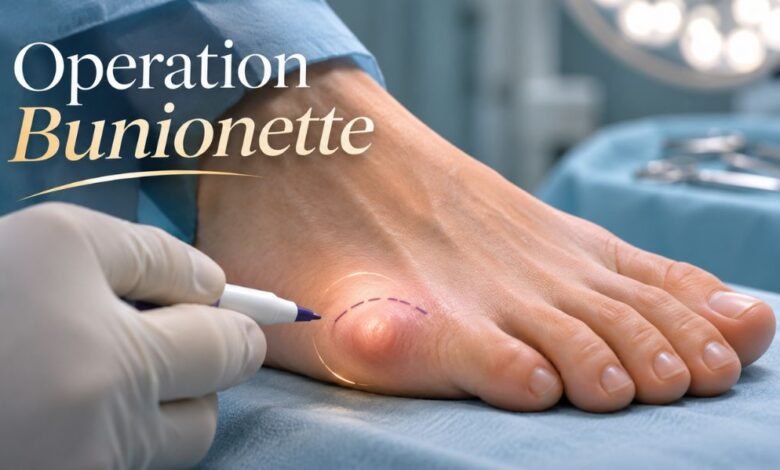
Foot pain can turn ordinary activities into uncomfortable experiences, especially when a painful bump develops beside the little toe. Medically known as a bunionette, or tailor’s bunion, this condition can make walking, standing, and wearing shoes increasingly difficult.
Operation Bunionette is a surgical procedure designed to reduce the painful prominence and, when necessary, correct the alignment of the fifth metatarsal bone. Although many people manage their symptoms without surgery, persistent discomfort may require specialist treatment.
This article explains bunionette surgery, its causes, surgical techniques, recovery expectations, possible complications, and practical steps for maintaining foot health.
What Is Operation Bunionette?
Operation Bunionette refers to surgery performed to correct a painful tailor’s bunion on the outside of the foot, near the base of the smallest toe.
The condition develops when the outer portion of the fifth metatarsal becomes prominent. Sometimes the bone is enlarged; in other cases, its position or shape contributes to the deformity.
Unlike a traditional bunion, which affects the big toe, a bunionette develops beside the little toe.
Common Symptoms of a Bunionette
Symptoms vary depending on the deformity’s severity and pressure from footwear.
Common signs include:
- A visible bump beside the smallest toe.
- Redness and swelling around the affected joint.
- Pain when wearing narrow shoes.
- Corns or calluses over the prominent bone.
- Difficulty walking comfortably.
- Tenderness when pressure is applied.
Some bunionettes cause no discomfort and don’t require surgery.
What Causes a Tailor’s Bunion?
A tailor’s bunion can develop because of inherited foot structure, unusual bone alignment, or biomechanical factors.
Narrow footwear does not necessarily create the underlying deformity, but it frequently increases pressure and irritation.
Factors That May Contribute
Several conditions can influence bunionette development, including inherited bone shape, flexible joints, previous injuries, inflammatory arthritis, and certain neurological conditions.
A healthcare professional may recommend an examination and weight-bearing X-rays to assess the fifth metatarsal’s alignment.
Understanding the underlying structural problem helps determine the most appropriate treatment.
When Is Bunionette Surgery Necessary?
Surgery is generally considered when persistent symptoms interfere with daily life despite appropriate non-surgical treatment.
Non-Surgical Treatment Options
Before recommending an operation, a specialist may suggest:
- Shoes with a wide toe box.
- Protective padding around the bump.
- Orthotic insoles to redistribute pressure.
- Temporary activity modifications.
- Ice therapy to reduce discomfort.
- Suitable pain-relieving medication.
These treatments can reduce symptoms, although they do not permanently correct the bone’s shape.
Signs That Surgery May Be Appropriate
Surgical treatment may be considered when pain continues despite footwear changes, comfortable shoes remain difficult to wear, or recurrent irritation affects everyday activities.
The decision depends on symptoms, examination findings, overall health, and the expected benefits of surgery.
How Is Operation Bunionette Performed?
Bunionette correction is often an outpatient procedure, allowing patients to return home on the same day.
The surgical technique depends on the deformity’s anatomy and severity.
Types of Bunionette Surgery
1. Removal of the Bony Prominence
For certain bunionettes with otherwise satisfactory bone alignment, the surgeon may remove the prominent bone portion.
This procedure is sometimes called an exostectomy.
2. Fifth Metatarsal Osteotomy
A fifth metatarsal osteotomy involves cutting and repositioning part of the bone to improve its alignment.
The corrected position may be secured using screws, wires, or other fixation devices.
3. Soft Tissue Correction
Some patients may need treatment for irritated or prominent soft tissue around the little toe.
The surgeon chooses the procedure based on the specific deformity rather than using a single approach for everyone.
Anesthesia and Surgical Preparation
Before surgery, the medical team reviews the patient’s medical history, medications, circulation, and relevant health conditions.
Anesthesia may involve general or regional techniques, depending on the operation and individual circumstances.
Patients also receive instructions about fasting, medication adjustments, and arrangements for returning home.
Operation Bunionette Recovery Timeline
Recovery depends heavily on whether the procedure involves removing a prominence or cutting and repositioning bone.
First Two Weeks
During early recovery, protecting the operated foot is essential.
Patients may need to elevate the foot regularly, keep dressings dry, and use prescribed pain relief.
A protective surgical shoe, boot, or crutches may be required.
Weeks Three to Six
Wound healing and gradual mobility become important during this stage.
Stitches are often removed approximately two to three weeks after surgery, depending on the surgeon’s instructions.
Some patients remain restricted from placing weight on the operated foot, particularly following an osteotomy.
Six to Eight Weeks and Beyond
Initial bone healing commonly takes approximately six to eight weeks, although individual recovery varies.
Patients may gradually return to regular footwear and activities when their surgeon confirms adequate healing.
Swelling can continue for several months and occasionally takes six to twelve months to resolve completely.
Tips for a Safer Recovery
Follow weight-bearing restrictions, attend follow-up appointments, avoid premature high-impact exercise, and choose comfortable footwear.
Follow the treating clinician’s recommendations for any exercises.
Benefits and Risks of Bunionette Surgery
The main objective of surgery is to relieve persistent pain by correcting the underlying prominence or deformity.
Potential Benefits
Successful surgery may improve walking comfort, reduce footwear friction, and make everyday activities easier.
However, outcomes vary by patient, and complete pain relief cannot be guaranteed.
Possible Complications
Like other foot operations, bunionette surgery carries potential risks, including:
- Infection or delayed wound healing.
- Nerve irritation or numbness.
- Persistent pain or swelling.
- Delayed bone union or nonunion.
- Joint stiffness.
- Recurrence of the deformity.
- Blood clots, although uncommon.
Smoking, poor circulation, and poorly controlled diabetes can increase healing-related risks.
Fever, wound discharge, worsening redness, severe pain, or unusual swelling should prompt medical assessment. Sudden breathlessness or chest pain requires emergency care.
Long-Term Foot Care After Surgery
Choosing appropriate footwear remains important after recovery.
Shoes should provide adequate space around the toes without placing excessive pressure on the outer forefoot.
Maintaining foot strength, managing relevant medical conditions, and following individual rehabilitation advice may support long-term comfort.
Surgery can correct the original deformity, but continuing to wear restrictive footwear may cause renewed irritation.
Frequently Asked Questions
1. Is Operation Bunionette painful?
The procedure is performed using anesthesia, so patients should not experience surgical pain during the operation. Some discomfort and swelling are expected afterward, but prescribed medication and appropriate rest can help manage symptoms.
2. How long does bunionette surgery take to heal?
Initial healing often takes six to eight weeks. However, swelling and complete functional recovery can take several months, depending on the surgical procedure and individual health.
3. Can a tailor’s bunion return after surgery?
Recurrence is possible, although most appropriately corrected bunionettes do not return. The risk depends partly on the original deformity and surgical correction.
4. Can I walk after bunionette surgery?
Walking restrictions depend on the procedure. Some patients can bear protected weight relatively early, while others must avoid putting weight on the operated foot for several weeks.
5. Is bunionette surgery worth considering?
Surgery may be worthwhile when persistent pain significantly affects daily activities and non-surgical treatments have failed. A foot and ankle specialist can explain whether the expected improvement outweighs the individual risks.
Conclusion
Operation Bunionette offers a surgical option for people experiencing ongoing pain from a tailor’s bunion. By addressing the prominent bone or correcting its alignment, treatment aims to improve comfort and everyday foot function.
However, surgery is not necessary for every bunionette. Careful diagnosis, appropriate non-surgical treatment, realistic recovery expectations, and professional medical guidance remain essential for choosing the right approach.