lily-flowered: The Stunning Beauty of Elegant Tulips and How to Grow Them Successfully
Discover the unique characteristics, beautiful varieties, planting techniques, and essential care tips that make lily-flowered tulips a spectacular addition to any garden.

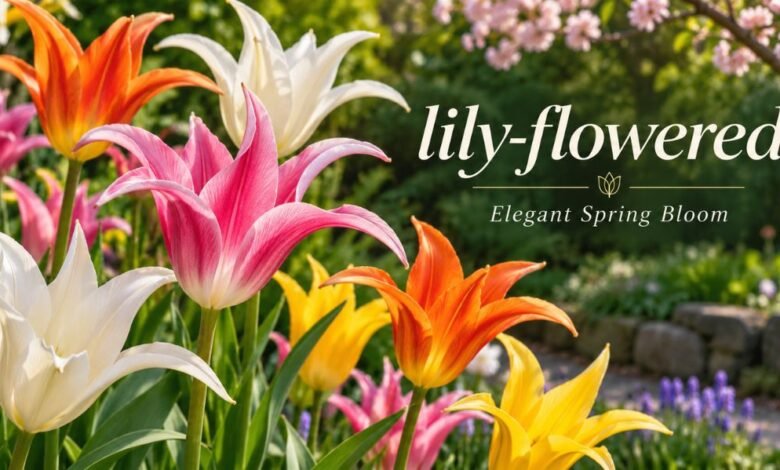
Lily-flowered tulips are among the most elegant spring flowers, admired for their graceful petals, vibrant colors, and distinctive appearance. Unlike traditional tulips with rounded blooms, these remarkable flowers feature narrow, pointed petals that curve outward, creating a delicate shape reminiscent of lilies.
Their striking appearance makes them popular in flower gardens, decorative containers, and floral arrangements. Available in white, yellow, pink, orange, red, and purple, lily-flowered tulips bring sophistication and seasonal color to outdoor spaces.
This article explores the characteristics, popular varieties, growing requirements, planting methods, and practical care techniques that help lily-flowered tulips flourish in suitable conditions.
What Is Lily-Flowered?
The term lily-flowered describes a particular flower shape, especially associated with a recognized group of ornamental tulips.
Lily-flowered tulips belong to the genus Tulipa and are classified according to their distinctive floral structure. Their petals narrow towards pointed tips and frequently curve outward as the flower opens.
Despite their name, these plants are not true lilies. They are tulips whose blooms resemble lily flowers.
Distinctive Characteristics
Lily-flowered tulips have several recognizable features:
- Long, slender petals with pointed tips.
- Elegant, goblet-shaped blooms.
- Outward-curving petals when fully open.
- Upright stems supporting individual flowers.
- Attractive colors and contrasting petal edges.
- Flowering generally occurring during late spring.
These characteristics distinguish them from conventional tulip varieties and make them particularly attractive in decorative planting arrangements.
Popular Lily-Flowered Tulip Varieties
Gardeners can choose from numerous lily-flowered tulip cultivars, each offering a different combination of colors and floral characteristics.
White Triumphator
White Triumphator is a classic variety featuring graceful white flowers with elongated petals.
Its sophisticated appearance suits formal gardens, mixed borders, and elegant spring displays.
Ballerina
Ballerina produces striking orange flowers with beautifully pointed petals. It is also known for its pleasant fragrance.
This cultivar works particularly well alongside purple or darker-coloured tulips.
Ballade
Ballade displays attractive pinkish-purple flowers with distinctive white petal margins.
Its contrasting colors add visual interest to spring borders and container gardens.
Marilyn
Marilyn features elegant white flowers decorated with red markings. Its distinctive appearance makes it an attractive choice for colorful planting combinations.
West Point
West Point produces vivid yellow flowers with pointed petals that open outward.
Its bright appearance is ideal for adding warmth and contrast to spring garden displays.
How to Grow Lily-Flowered Tulips
Successful cultivation begins with selecting suitable growing conditions and planting healthy bulbs.
Choosing the Right Location
Lily-flowered tulips generally grow best in locations receiving plenty of sunlight.
Choose an open, sunny spot protected from strong winds.
Well-drained soil is essential because waterlogged conditions can damage bulbs and encourage rotting.
Soil Requirements
Tulips prefer fertile, well-drained soil containing organic matter.
Gardeners working with heavy clay soil should improve drainage before planting. Raised beds or containers can provide alternatives where the ground remains excessively wet.
Avoid planting bulbs in areas where standing water regularly accumulates.
When to Plant Lily-Flowered Bulbs
Autumn is generally the preferred planting season in temperate climates.
Planting during this period allows bulbs to develop roots before the following spring.
The precise timing depends on local weather conditions. Tulips also require suitable winter chilling for reliable flowering, which can make cultivation more challenging in consistently warm climates.
Step-by-Step Planting Guide
Planting lily-flowered tulips correctly helps establish healthy growth and attractive spring blooms.
Step 1: Select Healthy Bulbs
Choose firm bulbs without visible mould, soft patches, or significant damage.
Good-quality bulbs provide a stronger foundation for successful flowering.
Step 2: Prepare the Soil
Loosen the planting area and remove weeds or stones.
Improve soil structure where necessary to ensure excess water can drain away.
Step 3: Plant at the Correct Depth
Plant tulip bulbs at approximately two to three times their height.
Position each bulb with its pointed end facing upward.
Step 4: Allow Adequate Spacing
Space bulbs at least twice their width apart.
Planting several bulbs together creates a fuller display while allowing room for healthy development.
Step 5: Water Appropriately
Water after planting if the soil is dry.
Avoid excessive irrigation, particularly during wet autumn and winter weather.
Essential Lily-Flowered Tulip Care
Watering Requirements
Tulips need sufficient moisture during active growth, but saturated soil can cause problems.
Established bulbs growing in garden borders often receive adequate moisture from natural rainfall.
Container-grown tulips may need additional watering when the compost dries out.
Fertilizing for Healthy Flowers
A suitable potassium-rich fertilizer during active growth can support flowering and bulb development.
Follow product instructions and avoid excessive feeding.
Managing Sunlight
Full sunlight generally supports strong growth and flowering.
Excessive shade may produce weaker stems and less impressive blooms.
Care After Flowering
Removing Faded Flowers
Remove spent flowers to prevent unnecessary seed production.
Leave the foliage in place while it remains green because the leaves help replenish the bulb’s energy reserves.
Allowing Natural Dormancy
Once the foliage turns yellow and dies back naturally, the bulbs enter dormancy.
Some garden tulips may flower less reliably in subsequent years. Gardeners seeking consistently impressive displays often plant fresh bulbs each autumn.
Common Problems and Solutions
Bulb Rot
Poor drainage and excessive moisture can encourage bulb rot.
Prevent this by planting in freely draining soil and avoiding overwatering.
Weak or Short Stems
Insufficient winter chilling, unsuitable growing conditions, or planting timing can affect stem development.
Selecting appropriate cultivars and following local planting guidance can improve results.
Pest Damage
Slugs may damage emerging foliage, while squirrels and other animals sometimes disturb planted bulbs.
Suitable protective barriers can help reduce these problems.
Fungal Diseases
Tulips can develop fungal diseases, including tulip fire, which may cause spotted or distorted growth.
Remove affected plants and follow appropriate garden hygiene practices.
Using Lily-Flowered Tulips in Garden Design
Beautiful Flower Borders
Plant lily-flowered tulips in small groups throughout spring borders.
Their pointed flowers create an attractive contrast with rounded tulip varieties.
Decorative Containers
These tulips can grow successfully in containers with drainage holes and suitable compost.
Choose pots deep enough to accommodate the bulbs and their developing roots.
Floral Arrangements
Lily-flowered tulips are excellent cut flowers because of their elegant shape.
Cut stems when the buds show color but have not fully opened for an attractive indoor display.
Benefits of Growing Lily-Flowered Tulips
Lily-flowered tulips offer several advantages for ornamental gardening.
Their unusual flower shape creates distinctive visual interest, while their broad color selection lets gardeners create coordinated spring displays.
They also work well alongside other spring-flowering plants, including forget-me-nots, wallflowers, and pansies.
Their versatility makes them suitable for traditional gardens, contemporary landscapes, and smaller outdoor spaces.
Frequently Asked Questions
1. What does lily-flowered mean?
Lily-flowered describes flowers with a shape resembling lilies. In horticulture, the term commonly identifies tulips with narrow, pointed petals that curve outward.
2. Are lily-flowered tulips real lilies?
No. Lily-flowered tulips belong to the genus Tulipa, whereas true lilies belong to the genus Lilium. They are different plants.
3. When do lily-flowered tulips bloom?
Most lily-flowered tulips bloom during late spring, although flowering periods depend on the cultivar, climate, and growing conditions.
4. Can lily-flowered tulips grow in pots?
Yes. They grow well in deep enough containers with drainage holes, suitable compost, adequate sunlight, and proper watering.
5. Do lily-flowered tulips return every year?
They are bulbous perennials, but flowering performance may decline after the first year. Suitable growing conditions can encourage repeat flowering, although annual displays are not guaranteed.
Conclusion
Lily-flowered tulips combine graceful flower shapes, striking colors, and remarkable ornamental appeal. Their pointed petals and elegant silhouettes distinguish them from many other spring-flowering bulbs.
With suitable soil, sufficient sunlight, correct planting techniques, and appropriate seasonal care, gardeners can enjoy beautiful displays of these distinctive flowers.
Whether planted in borders, decorative containers, or dedicated cutting gardens, lily-flowered tulips provide an attractive way to celebrate the beauty of spring.