Bunting: The Timeless Decoration That Brings Color, Character, and Celebration to Every Occasion
From traditional fabric flags to modern personalized designs, bunting remains one of the simplest and most attractive ways to transform spaces for parties, weddings, festivals, and special events.

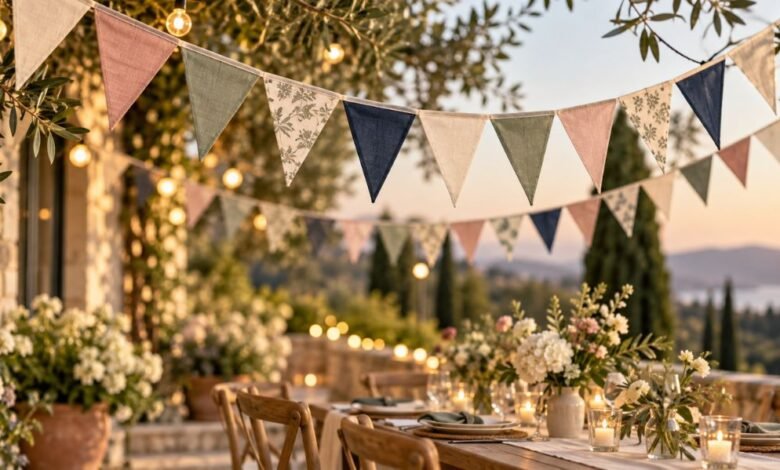
Bunting has been used for generations to bring color, energy, and a celebratory atmosphere to homes, streets, gardens, halls, shops, and public spaces. Usually consisting of small flags or decorative pieces connected along a string or ribbon, bunting can instantly make an ordinary environment feel more welcoming and festive.
Modern bunting is available in many materials, colors, shapes, and styles. Traditional triangular fabric flags remain popular, but paper, plastic, felt, recycled materials, and personalized designs have expanded the possibilities. Whether hanging across a garden for a birthday party or decorating a wedding venue, bunting offers an affordable, flexible decorative solution.
This article explains what bunting is, its traditional purpose, common materials, popular styles, practical uses, design ideas, and important considerations when choosing bunting for different occasions.
What Is Bunting?
Bunting is a decorative arrangement of small flags attached to a cord, ribbon, or string. The individual pieces are often triangular, although rectangular, circular, swallowtail, and Custom shapes are also widely used.
Traditional bunting was closely associated with fabric flags and ceremonial decorations. Today, the term is commonly used for almost any decorative flag garland designed to be suspended across a space.
Its simplicity helps explain its lasting popularity. A single length of colorful bunting can significantly change the appearance of a room, garden, shopfront, stage, or event venue without requiring complicated installation.
Why Bunting Remains Popular
Bunting combines visual appeal with practicality. It can cover a large area while requiring relatively little material, making it suitable for both small celebrations and larger events.
Another advantage is flexibility. Decorative bunting can complement traditional, rustic, modern, vintage, minimalist, or highly colorful themes. People can choose ready-made styles or create customized versions that reflect an occasion, brand, color scheme, or personal preference.
Different Types of Bunting
No single bunting style suits every occasion. The best option depends on where it will be displayed, how long it will stay up, and the overall decorative theme.
Fabric Bunting
Fabric bunting is one of the most traditional choices. Cotton and other lightweight textiles are commonly used to create individual flags.
Fabric designs often provide a softer, more premium look than disposable alternatives. They are particularly popular for weddings, garden parties, children’s rooms, cafés, festivals, and events where decorations can be reused.
Reusable Fabric Designs
One important benefit of quality fabric bunting is durability. Instead of buying new decorations for every event, you can fold reusable bunting carefully, store it, and display it again when needed.
This makes it particularly useful for businesses, community organizations, event planners, schools, and families who regularly organize celebrations.
Paper Bunting
Paper bunting is lightweight, inexpensive, and easy to customize. You can add different colors, patterns, letters, drawings, and printed designs to individual flags.
It works particularly well indoors because paper can be affected by rain, wind, and excessive moisture.
People commonly choose paper designs for birthdays, classroom decorations, baby showers, indoor parties, promotional displays, and craft projects.
Outdoor Bunting
Outdoor bunting is usually manufactured from stronger or weather-resistant materials designed to tolerate changing conditions.
You may display it between buildings, across gardens, around festival areas, outside businesses, or along event spaces.
When using bunting outdoors, secure attachment matters because strong winds can put extra pressure on the string and fixing points.
Popular Uses for Bunting
Bunting is extremely versatile, meaning the same basic form of decoration can serve very different purposes.
Birthday Parties
Birthday bunting can immediately establish a party atmosphere. Bright colors work well for children’s celebrations, while elegant or personalized designs may suit adult birthday events.
You can also add names, ages, short messages, or matching party themes.
Weddings and Celebrations
Wedding bunting is especially suitable for rustic, countryside, garden, vintage, and relaxed wedding themes.
Neutral fabric, lace-inspired patterns, pastel colors, floral prints, or personalized flags can help visually connect different parts of a wedding venue.
Place bunting around reception areas, dessert tables, outdoor seating spaces, entrances, or photography backgrounds.
Festivals and Community Events
Long strings of colorful bunting often make public areas feel energetic and welcoming.
Community celebrations, fairs, local festivals, school events, markets, and seasonal activities can all benefit from decorative flag displays.
Because bunting can stretch across relatively large distances, it is useful for visually defining a celebration area.
How to Choose the Right Bunting
Choosing bunting involves more than picking attractive colors.
Consider the location first. Indoor decorations generally don’t need to be weather-resistant, while outdoor displays should handle wind and changing weather conditions.
Area size also matters. Small flags may look attractive around a table or doorway but can look insignificant across a large hall or outdoor space.
Match Bunting With the Theme
Colors should complement the surrounding decoration rather than compete with it.
For a sophisticated event, neutral colors or coordinated shades can create an elegant effect. Children’s parties may benefit from brighter colors, while rustic environments often work well with patterned fabric, natural tones, or handmade designs.
Consider Flag Size and Spacing
The distance between each flag affects the overall appearance.
Closely spaced flags create a fuller visual effect, while wider spacing creates a lighter, more minimal design. The right approach depends on the size of the location and the atmosphere you want to create.
Personalized Bunting and Creative Designs
Personalisation has become an important part of modern decorative bunting.
Individual flags can feature names, initials, numbers, photographs, patterns, symbols, or short messages. This makes decorations part of an event’s identity rather than simply filling space.
Handmade bunting also offers creative possibilities. People can use leftover fabric, craft paper, felt, ribbon, or recycled materials to create distinctive decorations.
How to Hang Bunting Safely
Attach bunting to stable fixing points that can comfortably support its weight.
For indoor use, suitable hooks or existing fixtures may be sufficient. Outdoor installations require greater attention because wind can cause the bunting to move continuously.
Avoid hanging decorations where they could block entrances, create trip hazards, interfere with electrical equipment, or come into contact with open flames.
For larger installations, checking the full length before fixing everything permanently can prevent uneven spacing or excessive tension.
Benefits of Using Bunting for Decoration
One of the greatest advantages of bunting is how effectively it transforms a space without requiring major changes.
It is flexible, decorative, easy to coordinate, and available for many budgets. Reusable versions can also provide long-term value.
Bunting can create a visual connection between separate parts of an event. For example, matching flags can be used around an entrance, dining area, stage, and outdoor space to maintain one consistent theme.
Modern Bunting Trends
Contemporary bunting is no longer limited to traditional multicolored triangular flags.
Minimalist designs, personalized lettering, natural fabrics, pastel shades, reusable decorations, floral patterns, and handmade styles have become increasingly common.
Some people also prefer environmentally conscious designs created from reusable or recycled materials rather than disposable decorations.
The continuing evolution of bunting demonstrates how a simple decorative concept can adapt to changing tastes while preserving its traditional charm.
Frequently Asked Questions About Bunting
What is bunting used for?
Bunting is primarily used to decorate celebrations, parties, weddings, festivals, public events, homes, businesses, and community activities.
Can bunting be used outdoors?
Yes. Outdoor bunting is available, but the material and attachment method should suit weather conditions, especially wind and rain.
What material is best for bunting?
The best material depends on its purpose. Fabric suits reusable decorative displays, paper is convenient for temporary indoor events, and weather-resistant materials work best for outdoor use.
Can bunting be personalized?
Yes. Personalized bunting can include names, letters, numbers, messages, patterns, photographs, or colors chosen for a specific event.
Is bunting reusable?
Many types are reusable, especially well-made fabric bunting. Proper storage after use can help maintain its shape and appearance for future celebrations.
Conclusion
Bunting remains a timeless decorative feature because it combines simplicity, versatility, and visual impact. From colorful birthday parties and elegant weddings to festivals, classrooms, gardens, shops, and community celebrations, it can quickly transform almost any environment.
With options ranging from traditional fabric bunting and lightweight paper flags to personalized and weather-resistant designs, there is a style suitable for nearly every occasion. Choosing the right material, colors, flag size, spacing, and installation method can make the finished display more attractive and practical.
Although decorating trends continually change, bunting continues to maintain its appeal. Its ability to create warmth, color, and a sense of celebration keeps this simple decoration relevant for both traditional events and modern creative spaces.