HomeCZ: A Smarter Approach to Connected, Secure, and Modern Living
Discover how HomeCZ brings together digital home services, reliable connectivity, security technology, and smarter everyday living.

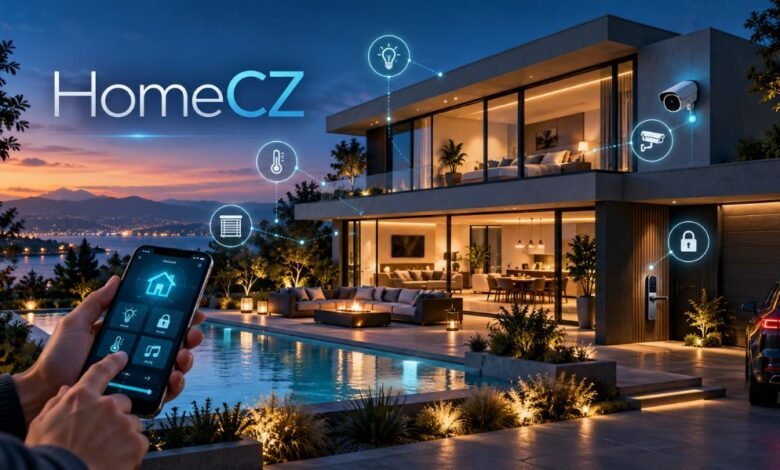
The modern home is changing rapidly. Internet connectivity, security cameras, connected devices, digital applications, and intelligent household systems are becoming part of everyday life. Against this background, HomeCZ has attracted attention from people searching for information about connected homes, digital services, smart living, and modern technology.
However, approach HomeCZ carefully because the name does not always refer to a single, universally defined product or platform. It appears online in different contexts. For readers, the most useful way to understand the term is through the wider ideas surrounding reliable connectivity, digital home management, security, convenience, and technology-assisted living.
This article explains HomeCZ in clear language while exploring the practical technologies and trends associated with today’s connected home environment.
What Is HomeCZ?
HomeCZ is a term associated online with home connectivity, digital services, security systems, and modern living solutions. Depending on where the name appears, its precise meaning can differ.
This distinction matters because some online descriptions present HomeCZ as a broad smart-home concept, while others connect the name with practical digital services. Readers should therefore avoid assuming that every website using the term represents the same company, technology, or organization.
From a broader informational perspective, HomeCZ can be explored alongside topics such as smart home technology, internet connectivity, CCTV systems, digital home management, connected devices, home automation, and household security.
These technologies share one basic purpose: making homes easier, safer, and more efficient to manage.
Why HomeCZ Is Relevant to Modern Homes
A modern household can contain dozens of connected technologies. Smartphones connect to Wi-Fi networks, televisions stream online entertainment, security cameras provide remote monitoring, and smart appliances increasingly include connected features.
As these technologies multiply, homeowners need manageable systems.
Reliable Internet Connectivity
Strong internet access is now fundamental to connected living.
A household may depend on the same connection for work meetings, streaming, education, security monitoring, communication, cloud services, and entertainment. Poor network performance can therefore affect much more than browsing speed.
A well-designed home network should provide stable coverage across important areas of the property.
Why Network Planning Matters
Simply installing a fast internet package does not guarantee excellent performance throughout a building.
Walls, floor layouts, distance from the router, device congestion, interference, and equipment quality can influence connection stability. Larger properties may require additional access points or mesh networking equipment.
For anyone exploring HomeCZ-related digital living, network reliability should be the foundation, not an optional feature.
HomeCZ and Smart Home Technology
Smart home technology makes everyday household equipment more responsive and easier to control.
Common examples include smart lighting, thermostats, door sensors, cameras, speakers, locks, appliances, and energy monitors.
The real benefit doesn’t come from buying the most gadgets. It comes from choosing useful technology that solves genuine household problems.
Creating a Practical Connected Home
A practical connected home should remain easy to understand.
For example, automated lighting may improve convenience when entering a dark hallway. Smart thermostats can help users manage heating or cooling schedules. Connected security systems can alert you when they detect unusual activity.
Each feature should have a clear purpose.
Avoiding Unnecessary Complexity
Home automation can become frustrating when every device requires a different application, account, password, or control system.
Before purchasing connected products, consumers should consider compatibility, software support, privacy settings, installation requirements, and long-term usefulness.
This approach creates a smarter home without unnecessarily complicating everyday tasks.
Home Security and CCTV Systems
Security is another important part of modern digital living.
CCTV cameras can help property owners monitor entrances, driveways, business premises, gardens, and other appropriate areas. Modern systems may offer remote viewing, motion alerts, recording capabilities, night vision, and mobile access.
However, property owners must install security technology responsibly.
Choosing Security Technology Carefully
Camera placement should prioritize legitimate security needs while respecting privacy.
Users should also protect camera accounts with strong passwords and keep security software updated. A sophisticated camera system offers limited protection if unauthorized users can easily access it.
Digital Security Is Equally Important
Physical surveillance is only one part of home security.
Routers, smart devices, applications, and cloud accounts can also contain sensitive information. Strong passwords, software updates, secure Wi-Fi settings, and multi-factor authentication can significantly improve digital protection.
HomeCZ-related smart living should therefore combine physical security with cybersecurity.
Energy Efficiency and Smarter Home Management
Connected technology can also help households understand energy consumption.
Smart thermostats, energy monitors, automated lighting, and scheduling systems may help users identify unnecessary electricity or heating usage.
Technology alone, however, does not automatically create an energy-efficient home.
Combining Technology With Good Habits
Smart systems work best when supported by sensible everyday behavior.
Turning off unused equipment, maintaining heating and cooling systems, improving insulation, choosing efficient appliances, and monitoring consumption can all improve household efficiency.
Automation Should Support the Household
Successful automation should reduce repetitive work rather than create additional maintenance.
A household system that constantly requires troubleshooting may be technically advanced but practically inconvenient.
The best smart-home setup often feels almost invisible because it performs useful tasks reliably without demanding constant attention.
Privacy Should Remain a Priority
Connected homes generate information.
Security cameras may record video, assistants may process voice commands, applications can store account information, and smart devices may collect usage data.
Consumers should therefore check privacy settings before connecting new products.
They should understand what information is being collected, where it is stored, who can access it, and whether unnecessary data-sharing options can be disabled.
A convenient home should remain a private home.
How to Approach HomeCZ Information Online
Because HomeCZ can appear in different online contexts, readers should verify exactly which service, company, website, or concept they are researching.
Check official business information where available and avoid treating unrelated websites as parts of the same organization simply because they use similar names.
This matters most when comparing prices, installing security systems, buying appliances, sharing personal information, or purchasing digital services.
Reliable research helps separate genuine services from broad marketing claims.
The Future of Connected Home Living
The future of residential technology will likely focus more on interoperability, automation, security, energy awareness, and simpler control.
Consumers do not necessarily want hundreds of independent gadgets. They want technology that works together reliably.
That makes the broader ideas associated with HomeCZ relevant: stable connectivity, practical automation, secure digital systems, intelligent monitoring, and convenient household management.
A successful connected home should ultimately make daily life easier, not just look technologically impressive.
Frequently Asked Questions About HomeCZ
What does HomeCZ mean?
HomeCZ is a name used in different online contexts involving home-related and digital services. It is commonly discussed alongside topics such as internet connectivity, connected homes, CCTV, smart technology, and modern living.
Is HomeCZ a smart home platform?
HomeCZ should not automatically be described as one universal smart-home platform. Different online sources use the term differently, so readers should identify the specific company, service, or concept being discussed.
What technologies are associated with HomeCZ-style smart living?
Relevant technologies can include home Wi-Fi, CCTV cameras, connected lighting, smart thermostats, security sensors, automation systems, energy monitors, digital applications, and other connected devices.
Can smart home technology improve security?
Yes, technologies such as cameras, motion sensors, smart locks, and alerts can support household security. They should still be installed properly and protected with strong cybersecurity practices.
Is a connected home expensive to create?
Not necessarily. A household can begin with basic improvements such as better Wi-Fi, useful security equipment, or a small number of smart devices. You can add more technology gradually, based on real needs.
Conclusion
HomeCZ is best understood carefully rather than being treated as a single universal technology or lifestyle system. The name appears in multiple contexts, but the themes surrounding it highlight important developments in modern living: stronger connectivity, digital services, home security, practical automation, and smarter household management.
The most effective connected homes are not necessarily filled with expensive technology. They use carefully selected tools that improve convenience, security, efficiency, and control.
As homes become increasingly digital, consumers who prioritize compatibility, privacy, cybersecurity, reliability, and genuine usefulness will be better prepared to benefit from the next generation of smart living.