Ian Murphy: The British Artist Transforming Architecture, Decay and Memory Into Powerful Art
Exploring the life, education, artistic style, mixed-media techniques, and remarkable career of one of Britain's distinctive architectural artists

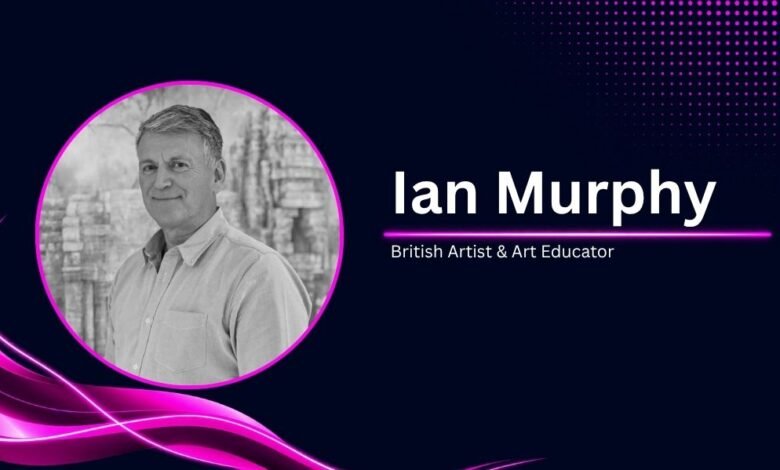
Ian Murphy is a British fine artist and art educator widely recognized for atmospheric drawings, textured paintings and mixed-media artworks inspired by architecture. Rather than focusing only on polished landmarks or perfect buildings, Murphy often finds artistic value in aging walls, abandoned interiors, narrow passageways, worn surfaces, and architectural details many people might otherwise overlook.
Born in Wigan, England, Murphy developed his interest in drawing during his formative years in northern England. The region’s industrial surroundings became an important influence on his early visual language. Over time, international travel expanded his subject matter, allowing him to explore buildings, communities and cultural environments far beyond Britain.
His work is particularly recognizable because of its strong tonal contrasts, restrained colors, layered textures, and architectural atmosphere. His career also extends beyond creating and exhibiting artwork. As an experienced art educator, he has worked with students and teachers through workshops, residencies and educational projects.
Quick Bio
| Field | Details |
|---|---|
| Full Name | Ian Murphy |
| Known For | Architectural drawings, mixed-media paintings, and atmospheric artwork |
| Profession | Fine Artist and Art Educator |
| Date of Birth | 9 March 1963 |
| Age | 63 years old (as of 2026) |
| Birthplace | Wigan, England |
| Nationality | British |
| Education | Fine Art, Painting and Printmaking |
| University | Sheffield Hallam University |
| Graduation | First Class Honours, 1985 |
| Art Style | Tonal drawing, architectural art, mixed media, textured painting |
| Main Subjects | Architecture, ageing buildings, industrial spaces, travel and urban environments |
| Notable Work | Hutong series |
| Career Highlights | Exhibitions, international residencies, workshops and art education projects |
| Known Techniques | Layering, tonal contrast, perspective, surface texture and observational sketching |
Who Is Ian Murphy?
Ian Murphy is a contemporary British fine artist and educator, born on 9 March 1963 in Wigan, England. He works across drawing, painting and mixed media, with architecture forming one of the strongest recurring themes in his practice.
Murphy is especially associated with powerful monochromatic and tonal drawings alongside richly textured oil paintings. His artworks frequently suggest history, age and human presence without necessarily placing people at the center of the composition.
His buildings are therefore more than simple architectural studies. Weathered doors, damaged walls, corridors and overlooked structures can become visual records of time and place.
Ian Murphy’s Early Life and Education
Murphy grew up in Wigan in northern England. His early environment exposed him to industrial landscapes, factories, railway structures and buildings showing the physical effects of age and use.
Developing an Interest in Drawing
Drawing became important during his school years. Working directly from locations helped Murphy strengthen his understanding of perspective, composition and depth.
Rather than treating a sketchbook as a place for finished drawings, he used it as a tool for observation and investigation. That approach later became central to his professional practice.
Murphy studied through a Fine Art-focused A-level program and completed a Foundation course in Wigan before continuing his higher education in Sheffield.
Sheffield and Fine Art Training
He studied Fine Art, Painting and Printmaking in Sheffield and graduated in 1985 with First Class Honors.
Living and studying in Sheffield provided further exposure to northern England’s industrial character. Old factories, declining industrial spaces and heavily textured structures offered subject matter that closely matched his developing interests.
The Importance of His Student Years
Murphy’s student years helped establish several characteristics that remain associated with his work: careful observation, dramatic tonal relationships, strong perspective and an interest in surfaces showing age or erosion.
Rather than abandoning these early interests later in his career, he continued developing them through increasingly ambitious drawings and paintings.
Ian Murphy’s Professional Art Career
The year 1985 marked an important stage in Ian Murphy’s career. He gained early recognition through selection for the British Young Contemporary Artists and began establishing himself professionally.
He also became an artist in residence at the Turnpike Gallery. Residencies gave him opportunities to combine studio practice with communication and art education.
From British Industrial Landscapes to Global Architecture
Northern England’s industrial environments strongly influenced Murphy’s earliest artworks. Dark interiors, factories, passageways, and abandoned locations became recurring subjects.
As his career developed, international travel widened his visual references. Murphy began recording architectural environments from different countries and cultures.
Travel became more than a source of beautiful scenery. He used sketchbooks to study the identity, structure and atmosphere of individual locations before developing selected observations into larger artworks.
Ian Murphy’s Artistic Style
Ian Murphy’s style is immediately recognizable for its combination of architectural drawing, texture, subdued color, and dramatic atmosphere.
Tonal Drawing
Tone is one of the most significant elements of Murphy’s work. Deep shadows are frequently placed against lighter areas to create dramatic spatial depth.
This approach can make an ordinary doorway or corridor appear mysterious and visually powerful.
His drawings demonstrate that an artist does not need bright color to create impact. Contrast, perspective, texture and carefully controlled light can produce equally compelling results.
Mixed-Media Techniques
Murphy is also known for mixed-media artwork. He often builds his surfaces through multiple layers rather than leaving them completely smooth.
The surface’s physical quality reflects the buildings he studies. Cracks, erosion, damaged walls, and weathered materials can inspire similarly distressed or layered visual effects within his paintings.
Neutral Color Palette
Another recognizable characteristic is his restrained palette. Earth colors, greys, browns, and muted tones frequently dominate his work.
Brighter colors may occasionally appear as an accent, but the limited palette helps maintain a sense of age, atmosphere, and architectural weight.
Architecture, Decay and Imperfection
Architecture lies at the heart of Ian Murphy’s artistic identity.
He is interested not only in grand monuments but also in ordinary structures. A narrow entrance, forgotten building or deteriorating wall can become important because of the evidence of human activity visible on its surface.
Finding Beauty in Aging Places
Many artists search for perfection. Murphy often explores the opposite.
Signs of deterioration can provide texture and historical character. Layers of paint, damaged materials, and uneven surfaces suggest a building has endured different periods and experiences.
This fascination with imperfection contributes significantly to the emotional quality of his artwork.
The Importance of Travel and Sketchbooks
Travel plays an essential role in Murphy’s creative process. Locations around the world provide architectural references, cultural environments, and new visual problems to investigate.
His artist sketchbooks help connect direct observation with completed studio artwork.
Drawing Before Painting
Sketching allows Murphy to examine composition before developing a larger work. He can investigate perspective, shadows, entrances, structural shapes, and the relationship between light and architecture.
These studies are not simply preliminary exercises. They document the development of ideas and provide a visual record of his response to particular places.
Ian Murphy as an Art Educator
Education has remained another important part of Murphy’s career.
He has delivered artist-in-residence programs, workshops and educational projects in Britain and internationally. His teaching approach often shows students how ideas progress from observational sketchbook work into experimental drawings and finished paintings.
Why Students Study Ian Murphy
Ian Murphy is particularly useful for art students because his work demonstrates several fundamental artistic skills at once.
Through his methods, students can explore perspective, architectural drawing, tonal contrast, composition, surface texture, mixed media, and observational sketching.
His practice also demonstrates that experimentation and careful observation can work together rather than being separate artistic approaches.
Notable Ian Murphy Artwork
Among the works associated with Ian Murphy is his Hutong series, which explores architectural spaces and building facades connected with Chinese environments.
These compositions demonstrate several familiar Murphy characteristics: restricted viewpoints, tactile surfaces, architectural structures and openings that encourage viewers to imagine what may exist beyond the visible space.
His broader body of work continues to connect architecture with memory, atmosphere and physical texture.
Conclusion
Ian Murphy has developed a distinctive artistic career by looking closely at places that others might easily pass without noticing. From industrial northern England to architectural environments encountered during international travel, he has consistently explored how buildings can communicate history, atmosphere and human experience.
His tonal drawings, architectural paintings, sketchbooks, and mixed-media techniques show an enduring interest in texture, light, perspective, and aging surfaces. Rather than hiding imperfections, Murphy often lets them become some of the most meaningful features of his work.
His role as an art educator also strengthens his influence. Through workshops and artist-in-residence programs, he has helped students understand how direct observation, experimentation and careful development can transform an initial sketch into a sophisticated finished artwork.
For students, collectors and people interested in contemporary British art, Ian Murphy remains a fascinating example of how architecture, travel, decay and memory can be transformed into a deeply atmospheric visual language.
(FAQs)
Who is Ian Murphy?
Ian Murphy is a British fine artist and art educator known for architectural drawings, atmospheric paintings and mixed-media artwork.
When was Ian Murphy born?
Ian Murphy was born on 9 March 1963 in Wigan, England.
What is Ian Murphy famous for?
He is best known for tonal architectural drawings, textured mixed-media paintings and artworks exploring aging, weathered and culturally distinctive buildings.
What materials does Ian Murphy use?
Murphy works with drawing materials, paint and mixed-media techniques. Layering and surface experimentation are important parts of his creative approach.
Where did Ian Murphy study art?
He studied Fine Art, Painting and Printmaking in Sheffield and graduated with First Class Honors in 1985 from the institution now known as Sheffield Hallam University.