Labeleu: Complete Guide to Digital Product Passports, EU Compliance, and Product Transparency
Understanding how Labeleu relates to Digital Product Passports, product information, QR codes, ESPR requirements, and the future of transparent commerce in Europe

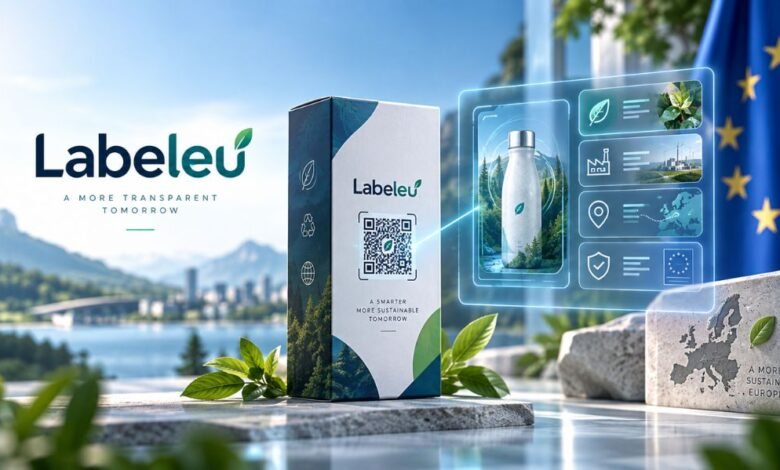
Labeleu is a term attracting attention as European businesses prepare for a new era of digital product information and regulatory transparency. In this context, LabelEU refers to a software platform built around Digital Product Passports, commonly known as DPPs. These passports are intended to make important product information easier to organize, maintain, and access through digital technology.
The subject is particularly relevant because European product rules are moving toward greater transparency regarding materials, manufacturing, environmental information, recycling, and product identity. Businesses selling products within the European market therefore have good reason to understand what Digital Product Passports are and how platforms such as Labeleu may fit into the process.
However, it is important not to confuse the current LabelEU platform with an older business using a similar Labeleu name that appeared online in connection with label printers. They are separate contexts linked to the same or a very similar search term.
What Is Labeleu?
Labeleu, generally styled as LabelEU by the current platform, is a Digital Product Passport service that helps businesses organize product information in a structured digital format.
A Digital Product Passport can act as an accessible digital record connected to a physical product. Instead of placing every piece of information directly on packaging, manufacturers can provide a digital destination containing relevant product details.
LabelEU describes its system as supporting information such as materials, origin, environmental data, certifications, recycling guidance, and other product characteristics. Its passports can also be associated with QR codes that customers or other relevant parties can scan.
Why Digital Product Passports Matter
Consumers increasingly want to know more about what they purchase. Questions about product origin, sustainability, materials, repairability, and recycling have become more common.
Regulators are also moving toward more detailed product-information requirements.
Digital Product Passports provide a possible framework for making this information available without overcrowding physical packaging.
A QR code, for example, can direct someone to a product-specific digital record containing substantially more information than could realistically fit on a traditional printed label.
How Labeleu Works
The basic idea behind Labeleu is straightforward: businesses create a structured digital record for an individual product and populate it with relevant information.
Creating Product Information
A business may begin by entering basic details such as:
- Product name
- Brand
- SKU or product identifier
- Product category
- Product description
- Country of origin
- Manufacturing information
- Material composition
Additional fields can provide more detailed information, depending on the product type.
LabelEU’s demonstration interface, for example, includes areas covering environmental information, recycled content, care instructions, recyclability, materials, and regulatory information.
Product Categories and Different Requirements
Not every product requires the same information.
A textile manufacturer may need to concentrate heavily on fiber composition, care information, manufacturing origin, and substances used in production.
Battery manufacturers may have very different information requirements.
Furniture, toys, clothing, industrial products, and electronic goods can therefore require different Digital Product Passport structures.
This is one reason a flexible product-data system may be useful.
Labeleu and ESPR Compliance
One major concept associated with LabelEU is the Ecodesign for Sustainable Products Regulation, commonly abbreviated as ESPR.
The regulation establishes an EU framework to improve the environmental sustainability and circularity of products.
Digital Product Passports form part of that wider framework.
However, businesses should understand an important distinction: the ESPR framework does not mean every product currently requires a Digital Product Passport.
Specific requirements depend on applicable legislation and future product-specific rules. LabelEU itself explains that the requirements and timelines differ by product category.
Preparing Before Requirements Apply
Even where a Digital Product Passport is not yet compulsory for a particular product, businesses may decide to prepare their data early.
Preparation can involve collecting accurate supplier information, identifying materials, organizing certificates, confirming manufacturing locations, and documenting environmental characteristics.
This can be valuable because product information is often distributed across suppliers, spreadsheets, databases, emails, and internal departments.
Bringing this information together can take considerable effort.
QR Codes and Digital Product Information
One of the most visible elements of a Digital Product Passport is the QR code.
Customers are already comfortable scanning QR codes using smartphones, making the technology relatively familiar.
A business can associate the QR code with a unique digital product record.
What Could a Customer Discover?
Depending on the information supplied by the manufacturer, a Digital Product Passport could include details about:
- Materials and components
- Manufacturing origin
- Recycling instructions
- Product care
- Certifications
- Environmental characteristics
- Repair information
- Product identification
This creates a more informative customer experience while also giving manufacturers a structured way to publish product information.
Benefits of Using a Digital Product Passport Platform
A service such as Labeleu may offer several practical benefits when compared with managing product information manually.
Centralized Product Data
Information can be brought together in one structured location rather than being scattered across different internal systems.
Improved Transparency
Customers, supply-chain partners, and other relevant parties can more easily access approved product information.
Easier Information Updates
Digital information can generally be maintained more efficiently than repeatedly redesigning packaging whenever product details change.
Better Preparation for Regulation
Businesses operating in the EU can become more familiar with structured product data before additional requirements take effect.
Supporting Circular Commerce
Digital information may also support recycling, reuse, repair, and responsible disposal by helping people understand what a product contains and how to handle it at the end of its useful life.
Is Labeleu Only for Large Companies?
Digital Product Passport systems are not necessarily relevant only to multinational manufacturers.
Small brands, online retailers, importers, manufacturers, and growing businesses may also need better product-data management as regulations develop.
The practical value depends on the products being sold, where they are sold, and which legal requirements apply.
A small clothing company selling into European markets, for example, may have different responsibilities from a manufacturer producing industrial batteries.
Businesses should therefore evaluate their own product category rather than assuming every organization faces identical rules.
What Businesses Should Check Before Using Labeleu
A Digital Product Passport platform can organize information, but software does not replace accurate source data.
Businesses should confirm that the product details they provide to any platform are correct.
Supplier documents, certification records, origin information, manufacturing data, materials, and environmental claims should all be checked carefully.
Incorrect information remains incorrect even when it is presented in a professional digital passport.
Companies should also distinguish between fields required by existing law, fields expected under future rules, and optional information added voluntarily.
The Future of Labeleu and Product Transparency
Digital Product Passports represent a broader transition from basic printed labels toward connected product information.
Consumers may increasingly encounter products where scanning a code provides an extensive digital history or information record.
For businesses, this could change the way product information is collected, maintained, and communicated.
Labeleu fits into this developing environment by focusing on structured Digital Product Passports, QR-based access, and EU-oriented product information.
As regulations evolve, manufacturers and retailers will need to follow official requirements relevant to their own products rather than relying on assumptions or general timelines.
Frequently Asked Questions About Labeleu
What is Labeleu used for?
Labeleu, currently presented as LabelEU, is used to create and manage Digital Product Passports. These digital records can organize product information such as materials, origin, environmental details, certifications, and recycling guidance.
What is a Digital Product Passport?
A Digital Product Passport is a structured digital record connected to a product. It can provide information about the product’s identity, composition, origin, environmental characteristics, maintenance, recycling, and other relevant details.
Does every product in Europe currently need a Digital Product Passport?
No. Requirements depend on the applicable EU legislation and the specific product category. Businesses should check the rules that apply to their products rather than assuming every product has the same deadline.
Can Labeleu generate QR-based product information?
The current LabelEU platform describes QR-code functionality for Digital Product Passports, allowing a physical product to connect to an online information record.
Is Labeleu useful for small businesses?
It may be useful for smaller businesses that need to organize detailed product information or prepare for relevant European requirements. Whether it is necessary depends on the company’s products, market, supply chain, and regulatory responsibilities.
Conclusion
Labeleu represents the growing connection between physical products, digital information, sustainability, and European product regulation. Through Digital Product Passports, companies can organize materials, origin data, environmental information, recycling guidance, and other key product details in a digitally accessible format.
The biggest lesson for businesses is that Digital Product Passports are not simply another type of label. They are part of a broader shift toward structured, transparent product information.
As European requirements continue to develop, businesses that understand their product data, verify supplier information, and follow industry-specific rules will be better positioned to adapt. Labeleu is one example of the technology emerging to support that transition.